Checkmate the stress: how sleep quality and engagement shape daily cognitive adaptability in elite chess players

Authors:
- Jure Andolšek, University of Ljubljana, School of Economics and Business
- Maj Zirkelbach, University of Ljubljana, Faculty of Computer and Information Science
- Matej Černe, University of Ljubljana, School of Economics and Business
- Jana Krivec, School of Advanced Social Studies
Keywords:
chess | cognitive adaptability | Job Demands–Resources model | maximal adaptability mode | sleep quality | work engagement | work stress
Abstract
In cognitively demanding environments, adaptability under pressure is essential but fragile. Drawing on the Job Demands–Resources (JD-R) framework and the Maximal Adaptability Model, this study explores how work stress, work engagement, and sleep quality interact to shape daily adaptability in elite chess players. Using experience sampling and objective sleep tracking over 30 days during the European Team Chess Championship, we analyzed within-person dynamics among eight national team players. Multilevel moderated mediation analyses revealed that daily stress reduced engagement, which in turn mediated effects on adaptability. Crucially, sleep quality moderated this process: players translated engagement into adaptability more effectively following higher-quality sleep. Theoretically, we reconceptualize engagement as a fluctuating bridge linking JD-R's dual pathways and position sleep as a core psychological resource for adaptive functioning. Practically, our findings emphasize the critical role of sleep in sustaining performance and suggest that recovery-focused interventions may enhance adaptability in cognitively demanding professional environments.
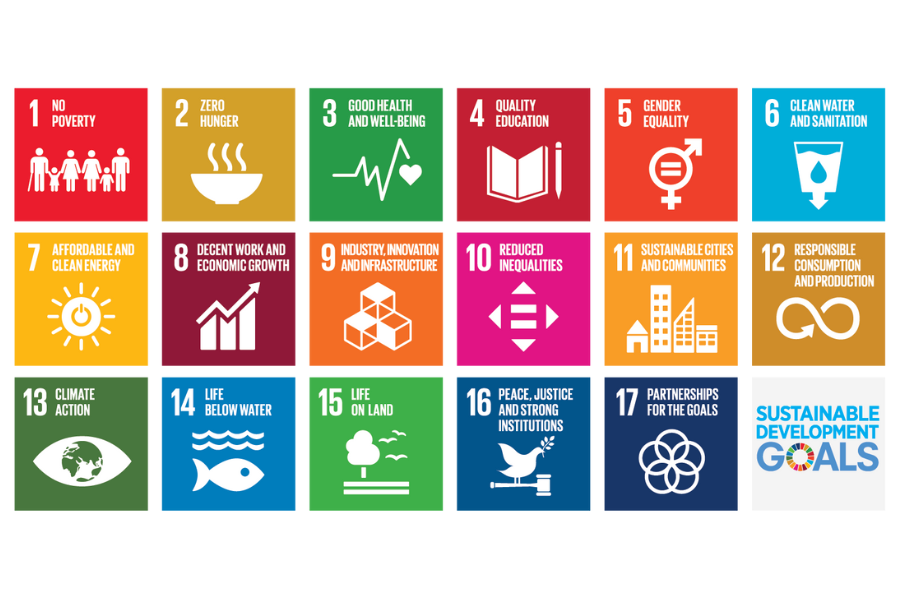
The Sustainable Development Goals (SDGs) addressed in the article are:
- SGD 3 – Good health and well-being
- SDG 4 – Quality education
- SDG 8 – Decent work and economic growth
The article is published in:
Applied cognitive psychology (Wiley)
The content is freely accessible at:
Checkmate the stress: how sleep quality and engagement shape daily cognitive adaptability in elite chess players