Motivating consumers to collaborate in reducing single-use plastic bottle pollution using an extended social identity model of collective action
Motivating consumers to collaborate in reducing single-use plastic bottle pollution using an extended social identity model of collective action

Authors:
- Simon Jamšek, University of Ljubljana, School of Economics and Business
- Barbara Culiberg, University of Ljubljana, School of Economics and Business
Keywords:
SIMCA | Social identity | Collective action impact | Impact size | Temptation to freeride
Purpose
The ever-increasing production of single-use disposable plastics represents a serious environmental concern, increasing both interest in and the need for reusable products. This study aims to empirically investigate the drivers of collective action intentions in reducing single-use plastic bottle pollution by extending the social identity model of collective action (SIMCA) and providing insights to enhance social marketing campaign strategies aimed at encouraging sustainable behaviour change at a collective level.
Design/methodology/approach
Using a sample of 430 respondents from the UK, this study evaluates three original predictors from SIMCA, i.e. perceived anger, social identity and group efficacy, alongside two new antecedents: temptation to freeride and perceived size of collective action impact.
Findings
The empirical findings reveal that all three original SIMCA predictors positively influence collective action intentions. Among the added predictors, temptation to freeride significantly and negatively impacts collective action intentions, while the perceived size of collective action impact does not have a direct effect. Notably, the perceived size of collective action impact, temptation to freeride and group efficacy indirectly influence intentions via anger, highlighting anger’s important role as a mediator.
Originality/value
The findings expand the authors’ understanding of the factors influencing collective action intentions in preventing single-use plastic bottle pollution and suggest new SIMCA connections. These insights help refine social marketing messages for collective action by emphasising the pro-environmental impact of the entire nation, specifically for using the reusable water bottles.
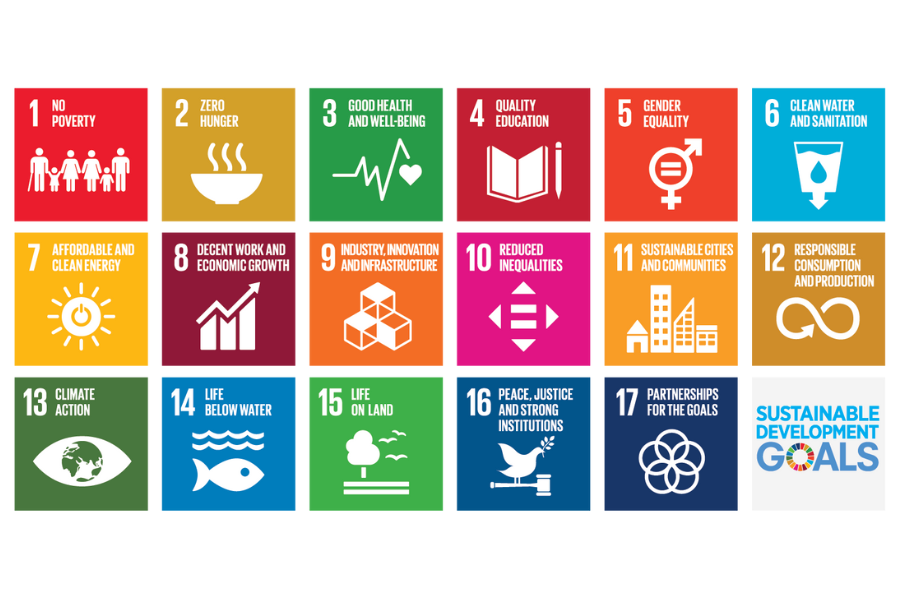
The Sustainable Development Goals (SDGs) addressed in the article are:
- SDG 12 – Responsible consumption and production
- SDG 13 – Climate action
- SDG 14 – Life below water
- SDG 15 – Life on land
The article is published in:
Journal of social marketing (Emerald)
The content is freely accessible at:
Motivating consumers to collaborate in reducing single-use plastic bottle pollution using an extended social identity model of collective action