It's Not All About the Miles
It's Not All About the Miles
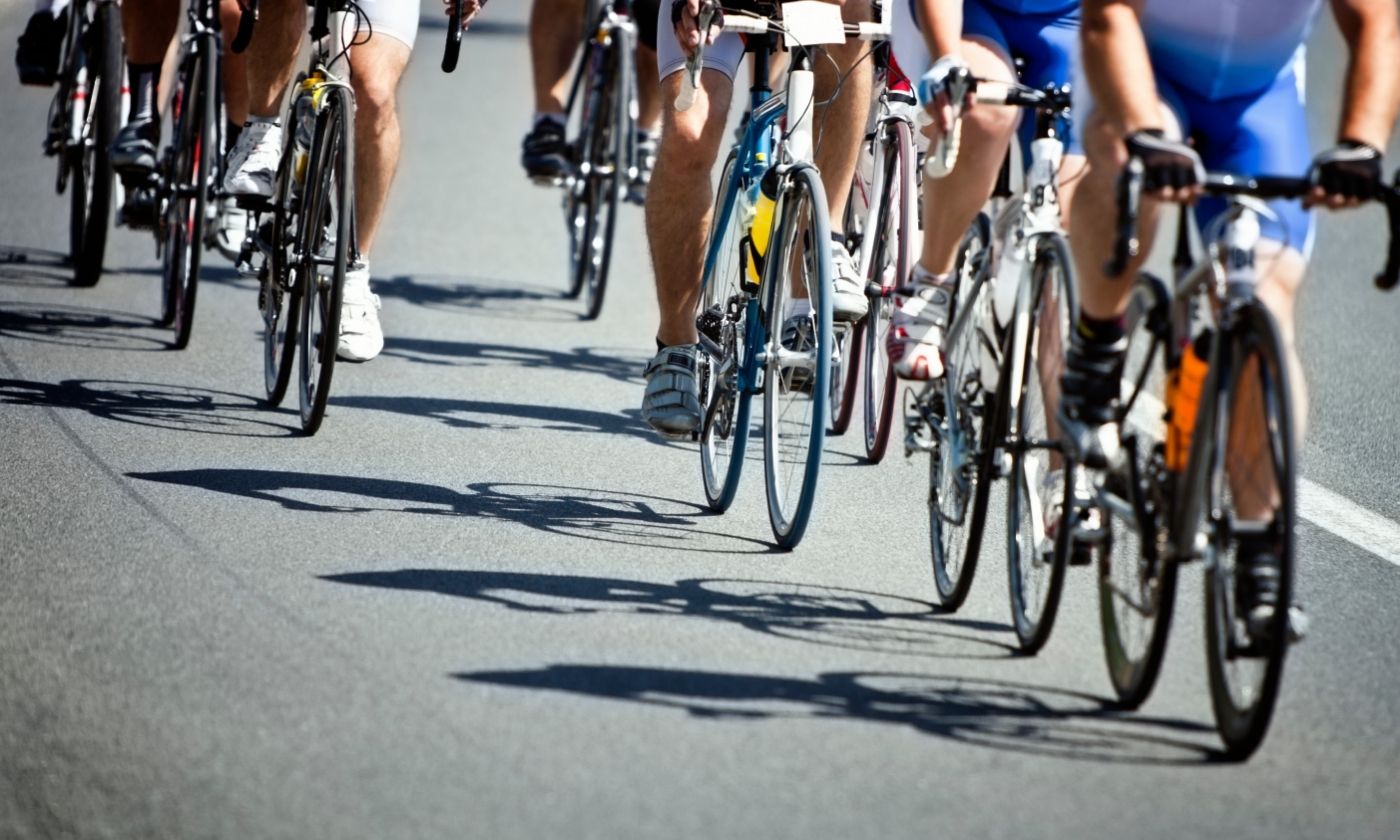
Cycling was once seen primarily as a form of rehabilitation after injury. Today, for many people, it is a way to relax, explore, socialise and even spark new ideas. After attending the SEB Alumni webinar on preparing for a cycling tour, I came away with a much better understanding of why so many people are drawn to the sport and why an increasing number choose to spend their free time on two wheels.
Until recently, cycling was never really something I saw myself doing.
Yet after Tuesday’s webinar, What Do Recreational Cyclists Get Wrong When Preparing for a Cycling Tour?, I found myself browsing online and comparing different bike models.
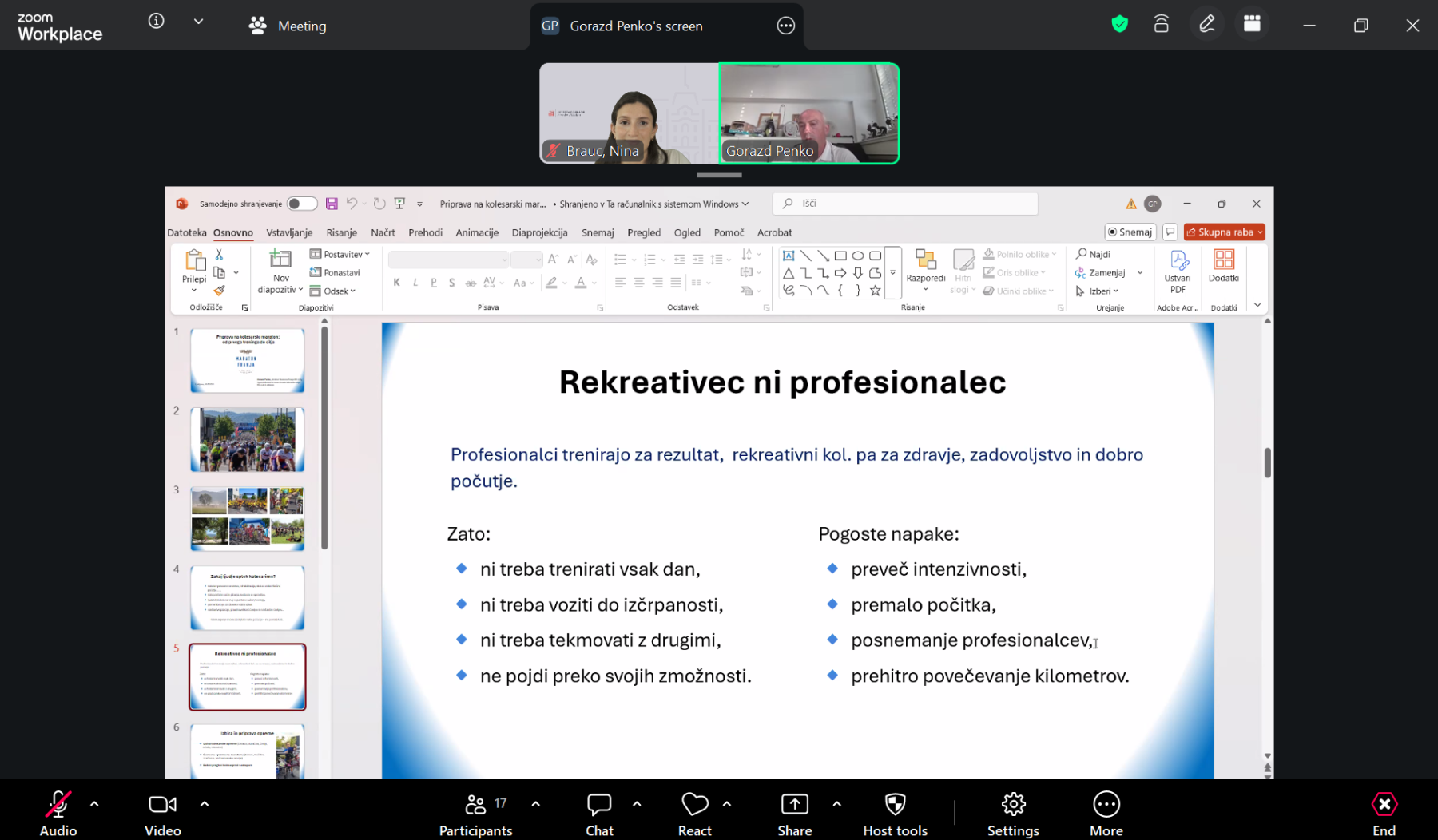
Gorazd Penko’s talk, delivered by a long-time cycling expert and Director of the Franja Marathon, turned out to be far more than a collection of tips on training, nutrition and equipment. It was a reflection on cycling culture, the pleasure of movement and the reasons people keep returning to the saddle year after year.
According to Penko, cycling was for many years regarded mainly as a sport that supported recovery after injury. Today, however, it represents much more. It is a form of exercise, relaxation, social connection and exploration. He also highlighted the sense of freedom and even creativity that comes with a long ride. When blood flow increases and the mind begins to wander, work-related problems often seem easier to solve, and some of our best ideas emerge while turning the pedals.
As the webinar was organised in collaboration with the Franja Marathon, it also offered a fascinating insight into the story behind Slovenia’s largest recreational cycling event.
I was surprised to learn how a one-day race evolved into a three-day cycling festival that now includes everything from a family ride and the popular Barjanka route to a time trial and a mountain bike challenge. Behind what most participants experience as a wonderful cycling weekend lies a year-round organisational effort involving more than 2,300 people.
Among all the interesting facts shared during the evening, one stood out in particular. Franja is considered one of the easier cycling marathons in the world, yet also one of the fastest. That speed often becomes a trap for recreational riders who get swept up in the pace of the crowd and burn through their energy far too early.
In many ways, this was one of the central messages of the evening. In cycling, what matters most is not how fast you start, but how wisely you manage your effort all the way to the finish.
Another idea that stayed with me was the distinction between professional, amateur and recreational cyclists. Professionals train for results. Amateur cyclists often sit somewhere in between. They have jobs and other commitments, yet dedicate a large portion of their free time to training and competition. Recreational cyclists, meanwhile, ride primarily for their health, wellbeing, social connections and enjoyment.
You do not need to train every day. You do not need to ride yourself into complete exhaustion. You do not need to try to become the next Tadej Pogačar.
What you do need to do is listen to your body.
Recovery was given a surprisingly large amount of attention throughout the webinar. Most people tend to focus on training sessions, mileage and performance metrics, while paying far less attention to rest. Yet, as Penko repeatedly emphasised, there can be no progress without recovery. This becomes particularly important with age, when the body requires significantly more time to recover than it does for younger athletes. Sometimes, the best decision is simply not to get on the bike for a day.
We were also given plenty of practical advice on equipment. A helmet is not a fashion accessory. It is something that could save your life. Cycling glasses, meanwhile, are far more than an optional extra, helping to protect your eyes and maintain visibility throughout a ride. Even carrying a spare inner tube, a pump and a basic multi-tool can prevent a great deal of inconvenience on a ride.
When it came to nutrition and hydration, the message was refreshingly straightforward. Before longer rides, easily digestible meals such as rice or pasta with a little butter or olive oil and Parmesan cheese are recommended. During the ride itself, one golden rule applies. Do not experiment with products you have never tested in training. Even the most promising energy gel is a poor choice if you are opening it for the first time on event day.
One point that particularly resonated with me was the idea that we often search for complicated solutions in sports nutrition when the most effective approaches are usually quite simple. At a time when we are constantly being marketed sports drinks, gels and supplements, it was refreshing to hear that, for most recreational cyclists, water is often perfectly sufficient when combined with a balanced diet. Penko also highlighted one of the most common mistakes riders make. They wait until they feel thirsty before drinking. By then, it may already be too late. Proper hydration begins before the activity starts and continues steadily throughout the ride, even when you do not yet feel thirsty.
The story that made me laugh most was about the salty beef soup once served at the top of the Kladje hill during the Franja Marathon. Penko recalled how participants still tell him today that the soup remains one of their strongest memories of the event. Not the latest energy gel or sports bar, but a simple homemade bowl of salty soup.
Perhaps that is the true charm of recreational sport.
In the end, it is not the numbers, the miles or the average speed that matter most. It is the feelings, the stories and the people.
That became especially clear after the official end of the webinar. Although the event had been scheduled to finish at 8.30 pm, the discussion continued well beyond that. The topics that interested me most were highly practical ones. How do you balance training with work and family commitments? Why does a feeling of an “empty stomach” sometimes appear during long rides even after eating? How do the experiences of female and male cyclists differ, particularly on descents where confidence often plays just as important a role as physical fitness?
The questions kept coming, and so did the answers.
When I finally closed Zoom at the end of the evening, I had not become a cyclist.
But for the first time, I felt that perhaps I could become one.
And if you ask me today whether I am considering buying a bike?
The answer is no longer no.
Author: Nina Brauc