Age brings experience, but not necessarily wisdom
Age brings experience, but not necessarily wisdom
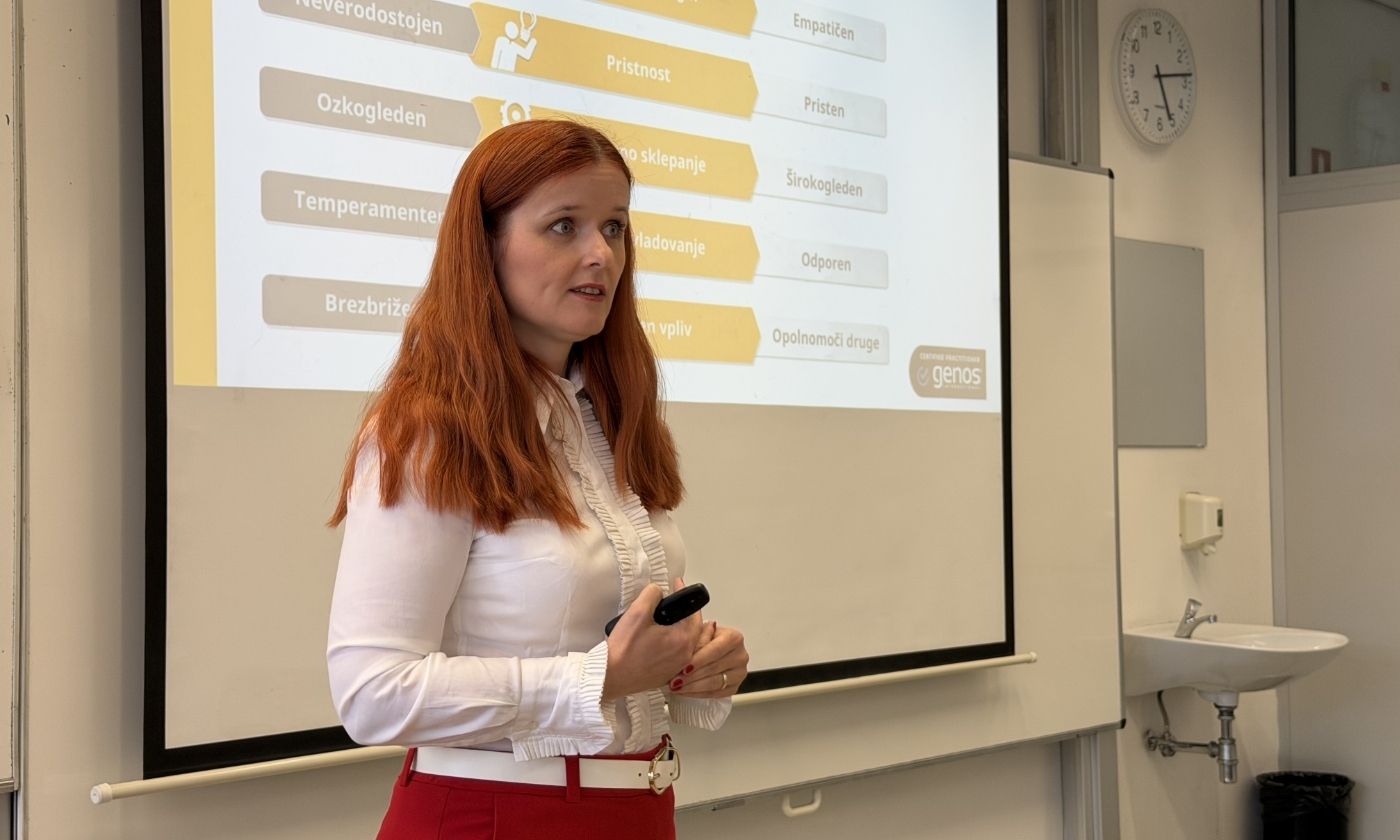
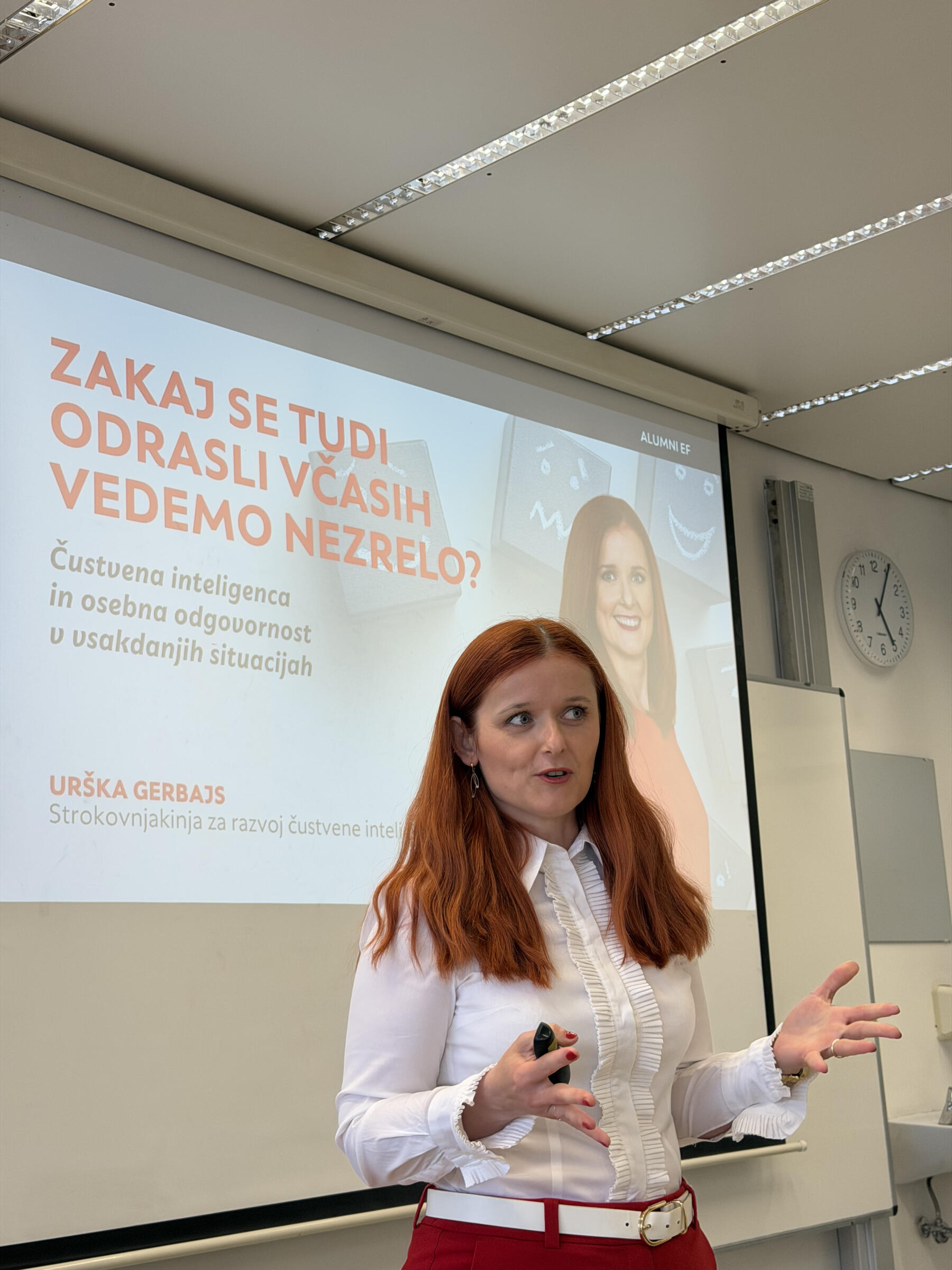
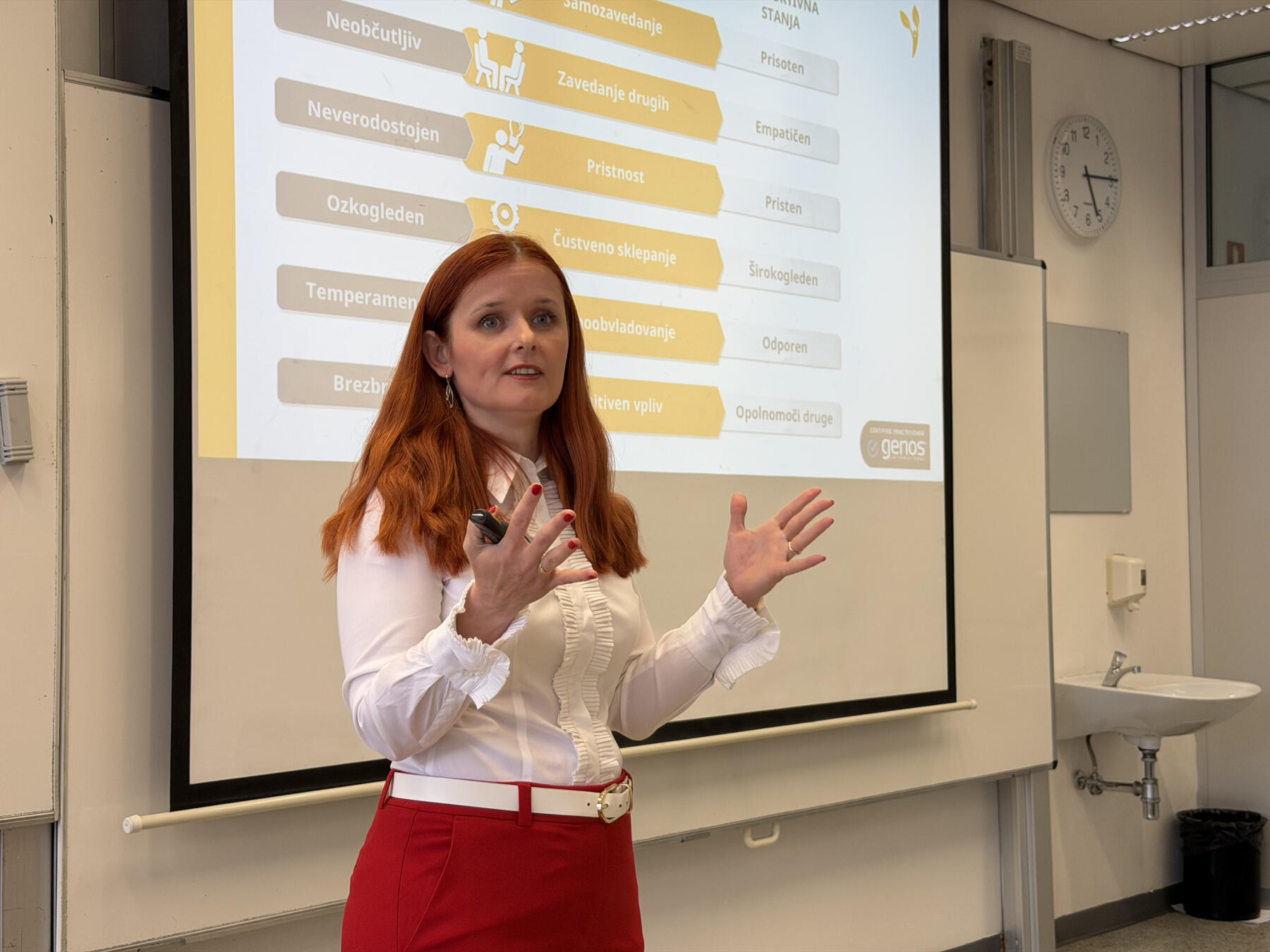
At first glance, it seemed like just another alumni lecture. Another event squeezed in between a long list of commitments, with the expectation that you might leave with a useful insight or two. Yet within the first few minutes, it became clear that this would not be passive listening. It felt more like a mirror. The kind you do not always find easy to look into.
When I walked into the lecture hall, I felt I already knew what to expect. Something about emotional intelligence, perhaps a few practical tips on how to respond better in stressful situations. Yet I left with a rather different feeling. As though, for an hour and a half, I had been quietly observed and somehow exposed at the same time.
Urška Gerbajs began simply. With a situation on the road. The kind we all know. Traffic, rushing, and the inner monologue that so quickly turns into blame, most often directed at others. And it is precisely there, in these ordinary everyday moments, that something very honest reveals itself. How emotionally mature we truly are.
That stayed with me. Not because it was new, but because it felt uncomfortably familiar.
What does it actually mean to be an adult? Not older, not employed, not ticking all the boxes society tends to associate with adulthood, but genuinely mature.
The discussion in the room quickly began circling around one word: responsibility. Responsibility for our words, our decisions, and our reactions. Most of all, responsibility for how we behave when things are less than ideal.
And that is exactly where the slight discomfort begins. Because adulthood is clearly not something you simply arrive at once and for all.
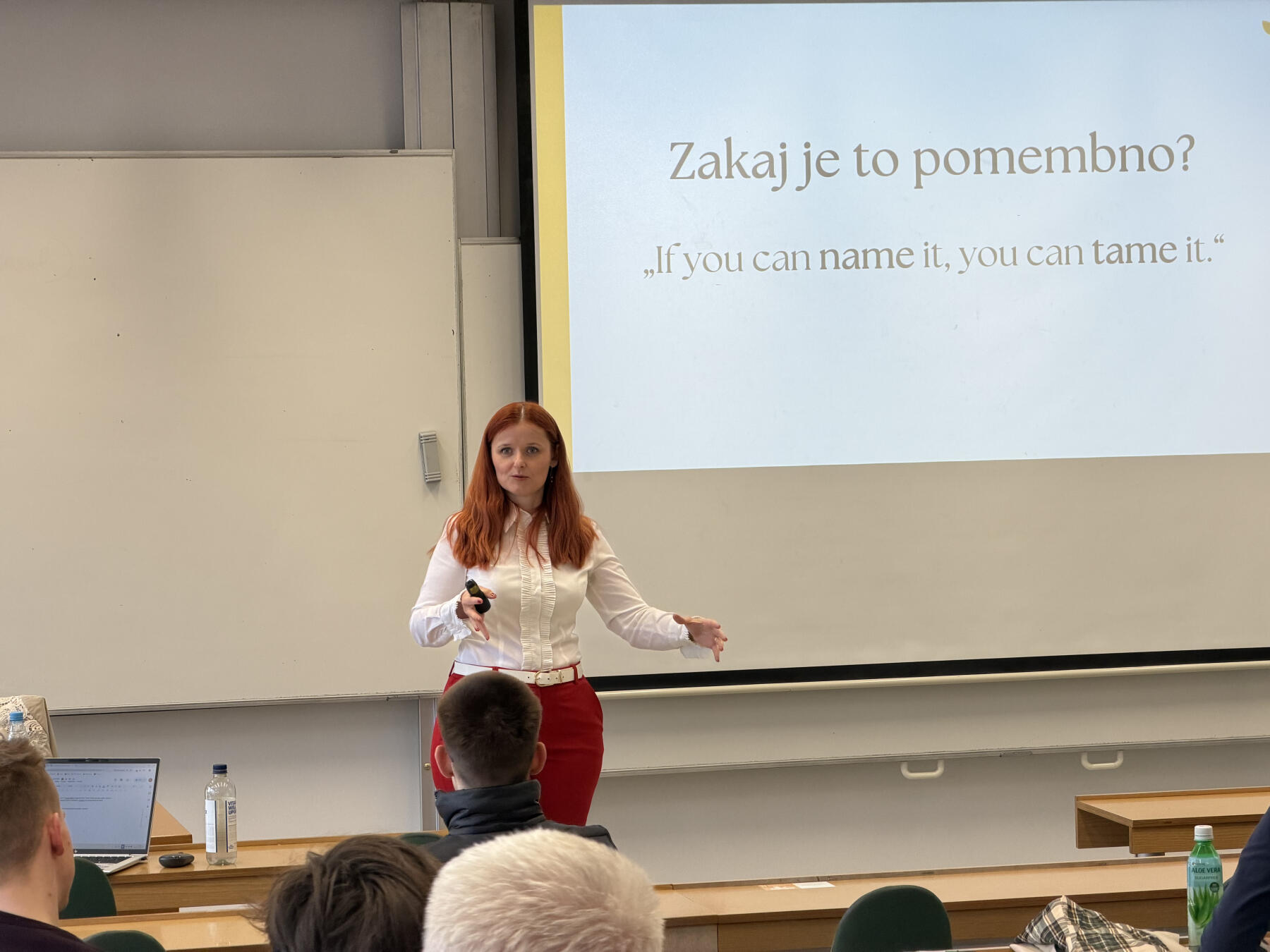
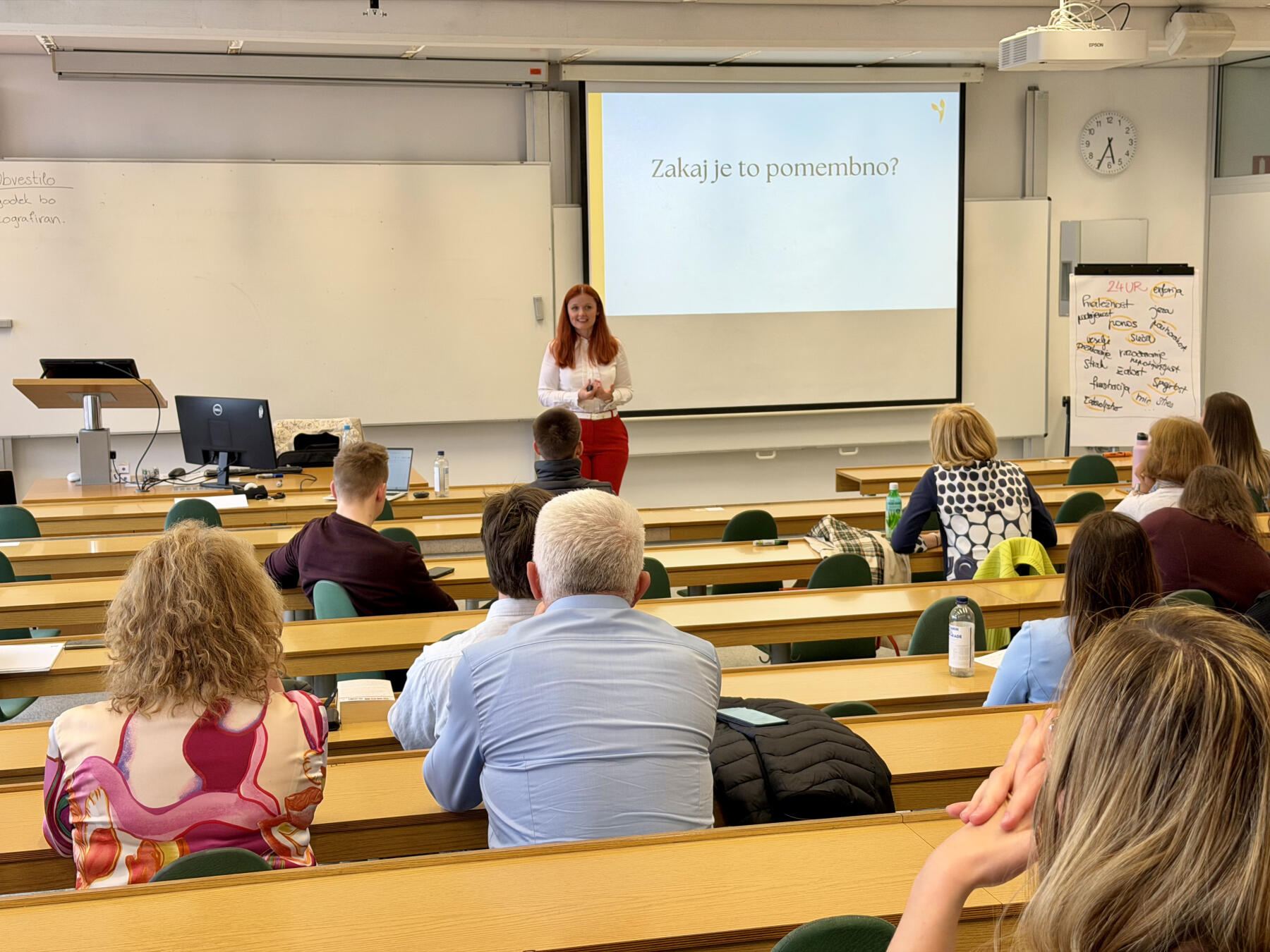
One of the exercises surprised me in its simplicity. We reflected on the previous twenty four hours and wrote down the emotions we had experienced. At first glance, it sounded easy. In practice, it proved surprisingly difficult. How many emotions can we actually name? How many do we genuinely notice?
Realising that most of the time we are barely aware of what is happening within us felt slightly uncomfortable, yet strangely liberating at the same time. Because if you do not know what you are feeling, you cannot begin to change it.
And this is where emotional intelligence suddenly becomes very tangible.
Not as theory, but as something deeply everyday. That brief pause before reacting. That small moment when you ask yourself: “What is actually happening inside me right now?”
Perhaps the most powerful part of the lecture was the reflection on how quickly we perceive things as threats. How quickly we become defensive, narrow minded, and impulsive. And how different we are when we feel safe. More open, more understanding, and somehow more adult.
Suddenly, so many everyday conflicts began to make sense.
Perhaps it is not about what happens.
But about what we believe it means.
And then there was another thought that stayed with me. When someone angers us, that is not their problem. It is our reaction.
Uncomfortable? Absolutely.
True? Equally so.
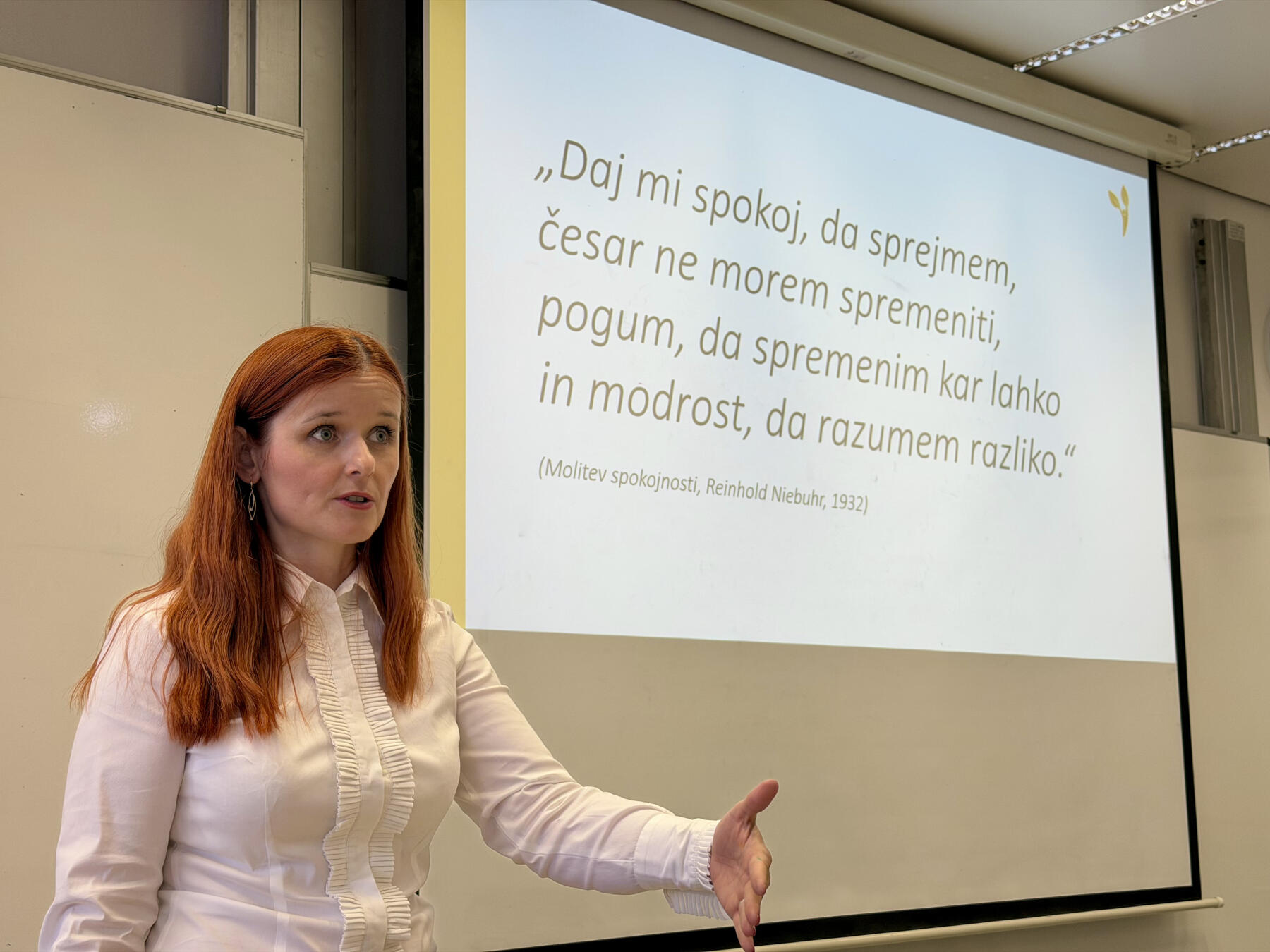
The lecture did not offer quick fixes. It did not promise that we would leave calmer, more balanced, or permanently rational. What it offered instead was something far more valuable.
The awareness that we have a choice.
That we can create space between a trigger and a reaction. That we can take responsibility. And that adulthood is not something we achieve once, but something we continue practising every day.
As I left, I did not feel as though I had found answers. More that I had discovered the right questions.
And perhaps that is the greatest thing a lecture like this can offer.
Written by: Nina Brauc