From a Saving Mindset to an Investment-Oriented Future
From a Saving Mindset to an Investment-Oriented Future
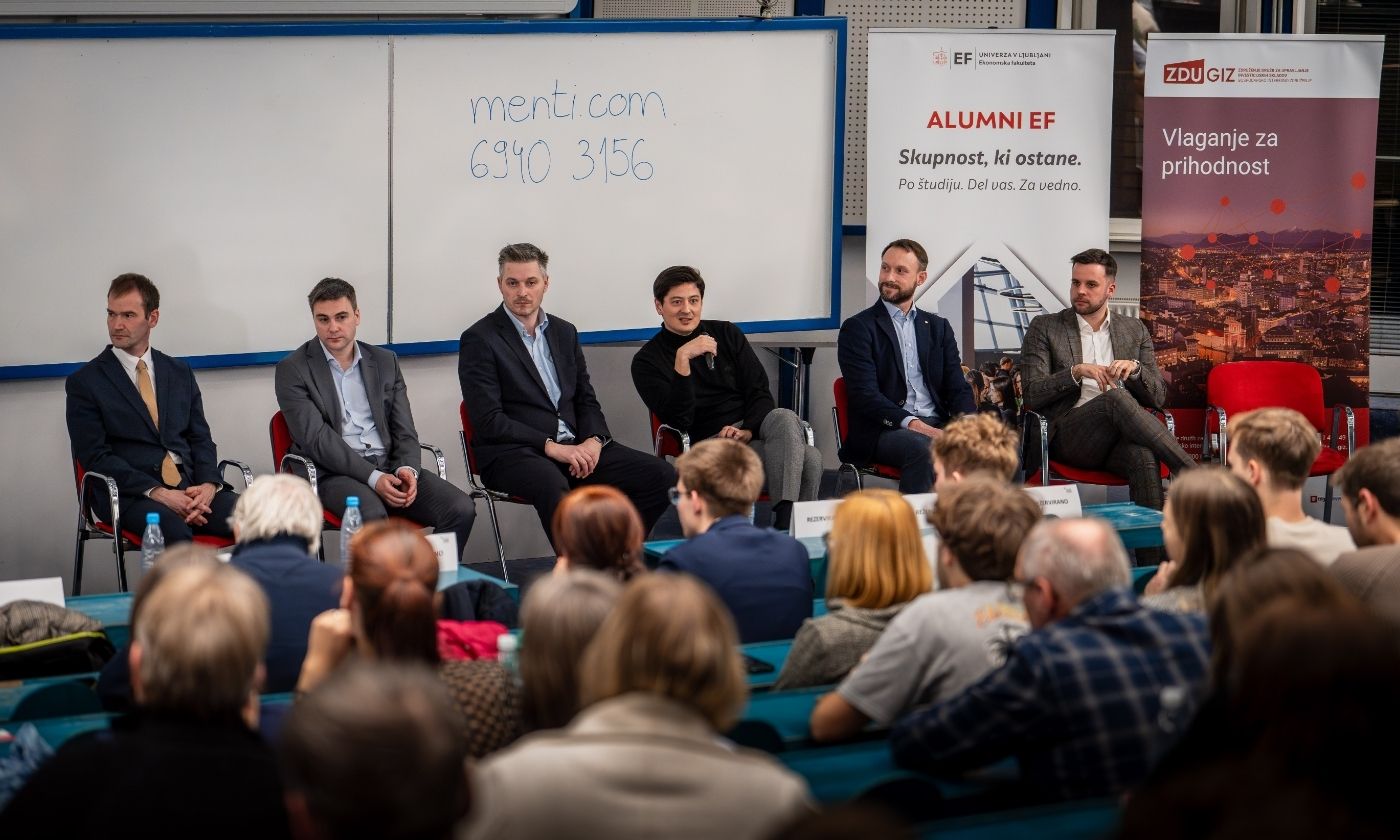
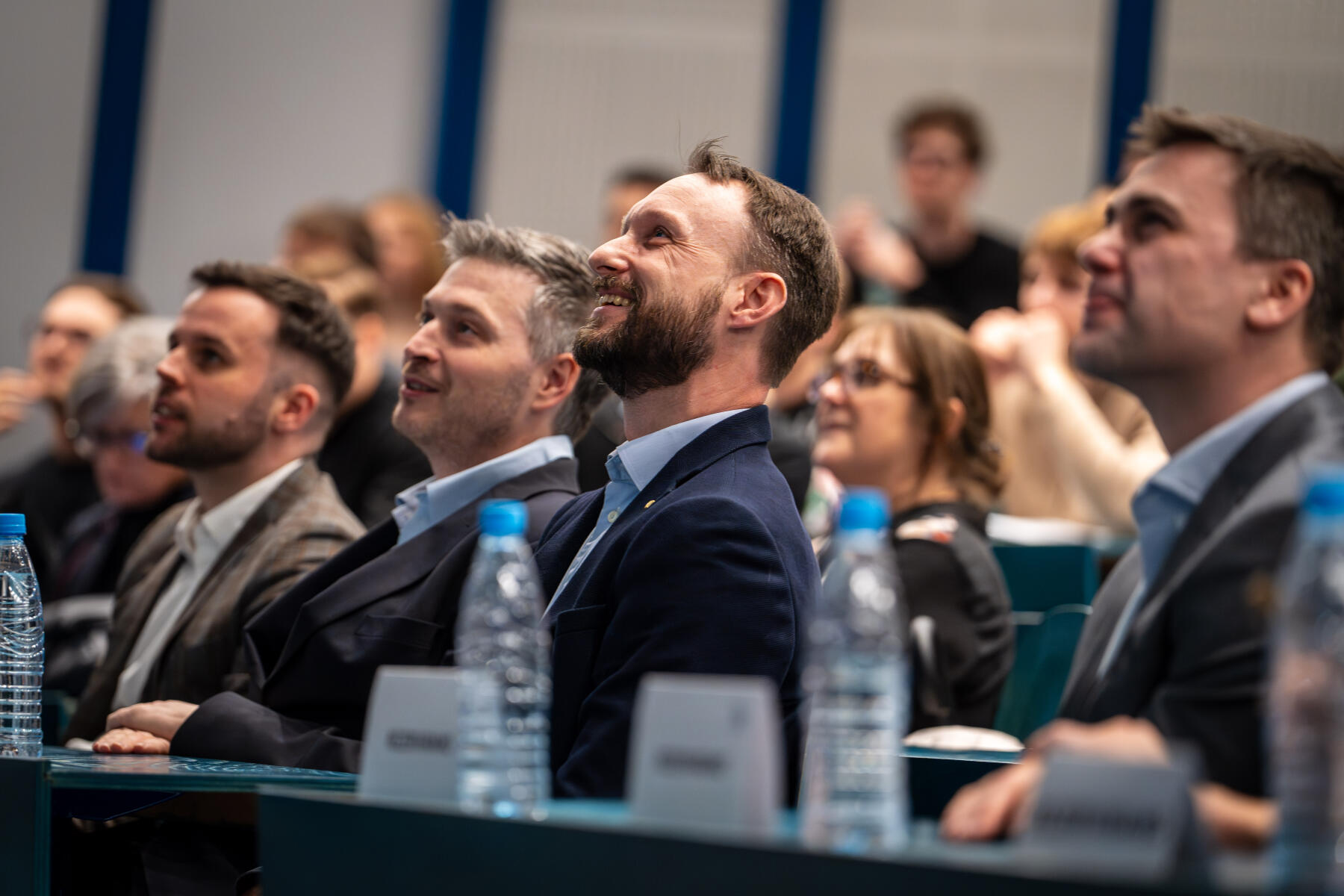
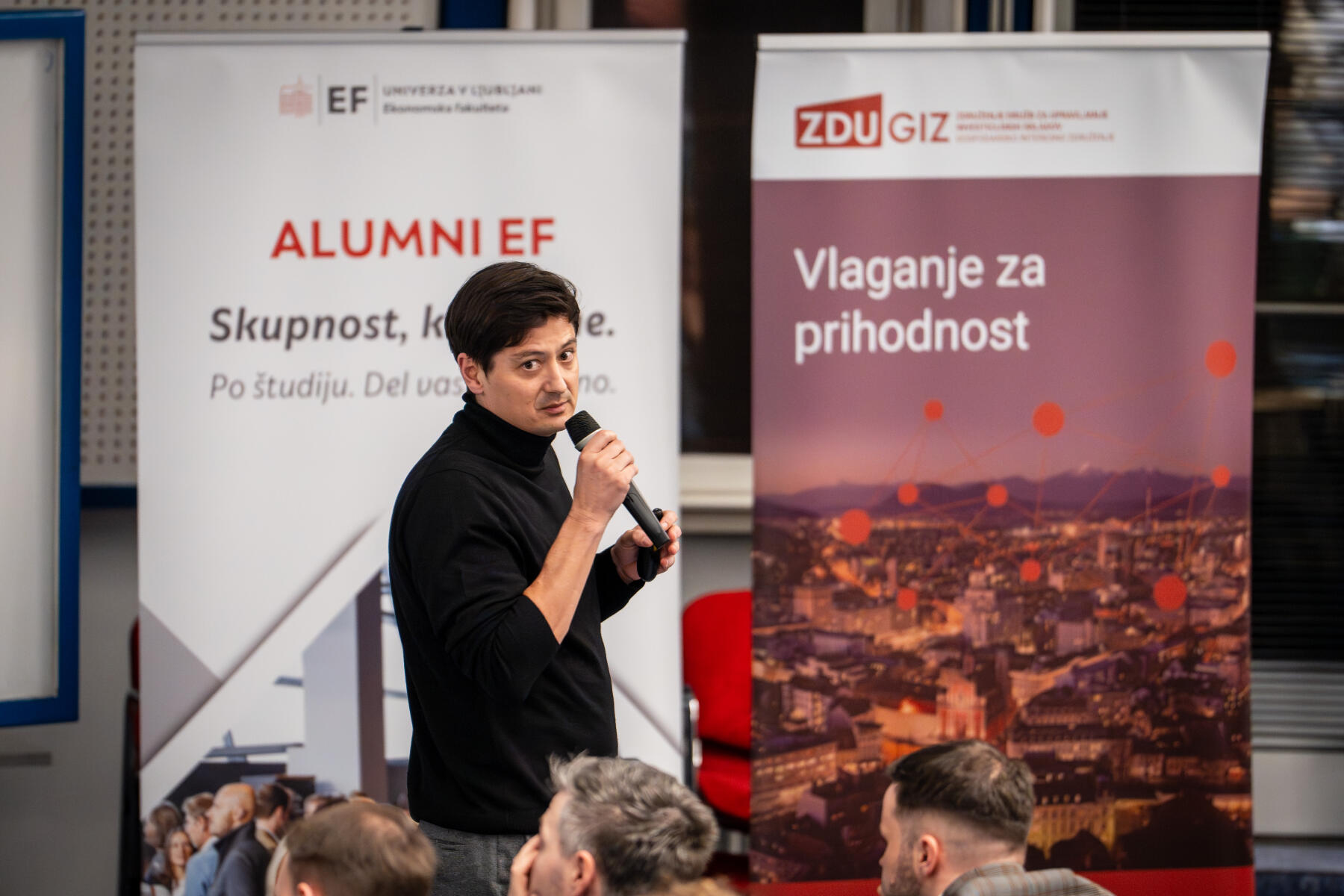
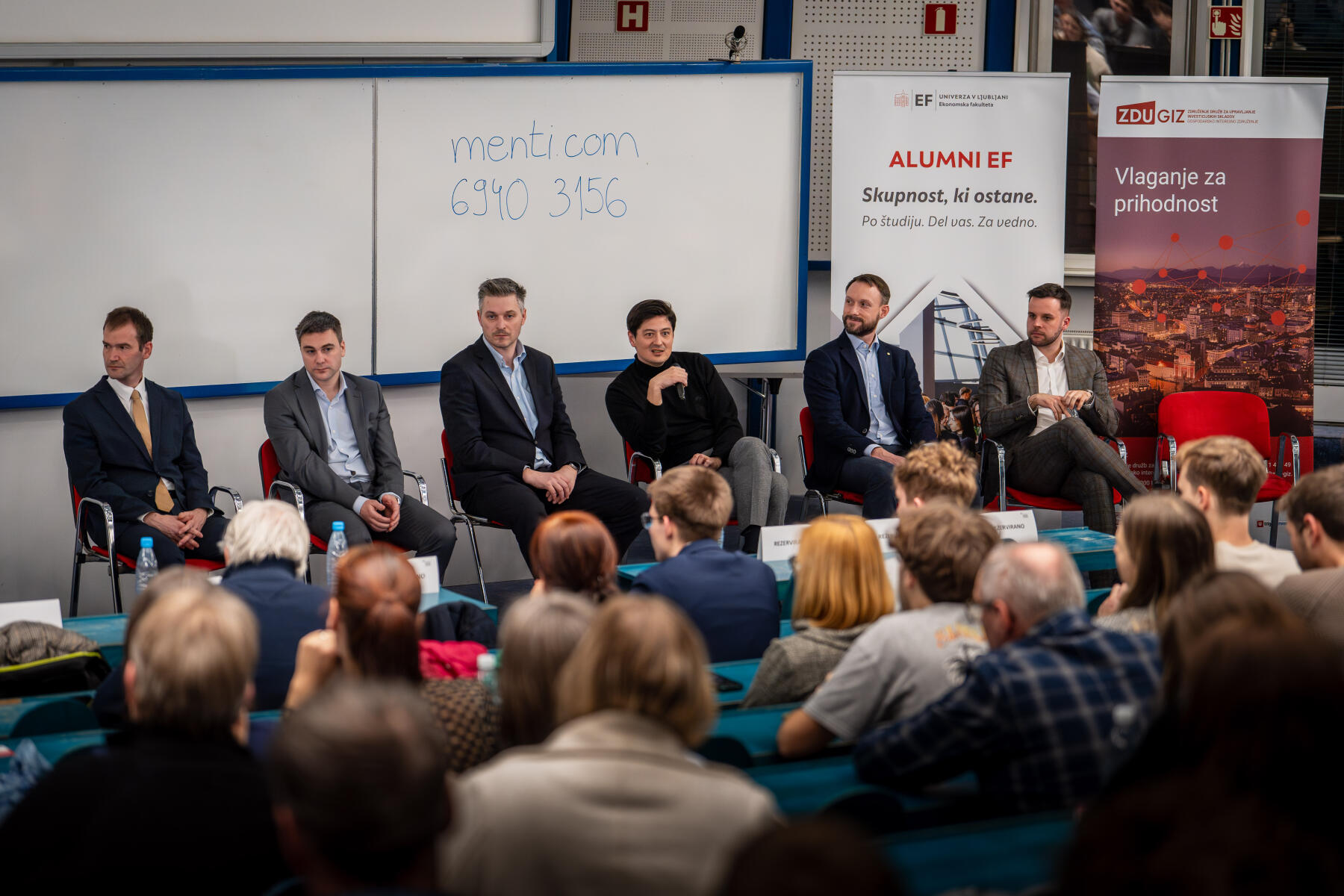
On Thursday, 5 February, the alumni event From Saver to Investor took place at the School of Economics and Business, bringing together participants to reflect on the financial habits of Slovenians and the importance of long-term investing. Experts highlighted key asset classes - stocks, bonds, investment funds, precious metals, and cryptocurrencies - and emphasized the importance of financial literacy, diversification, and discipline in wealth management. The event delivered a clear message: long-term financial security requires thoughtful decisions, knowledge, and an active approach by each individual.
FROM SAVER TO INVESTOR: An Overview of the Most Important Ways to Grow Your Savings
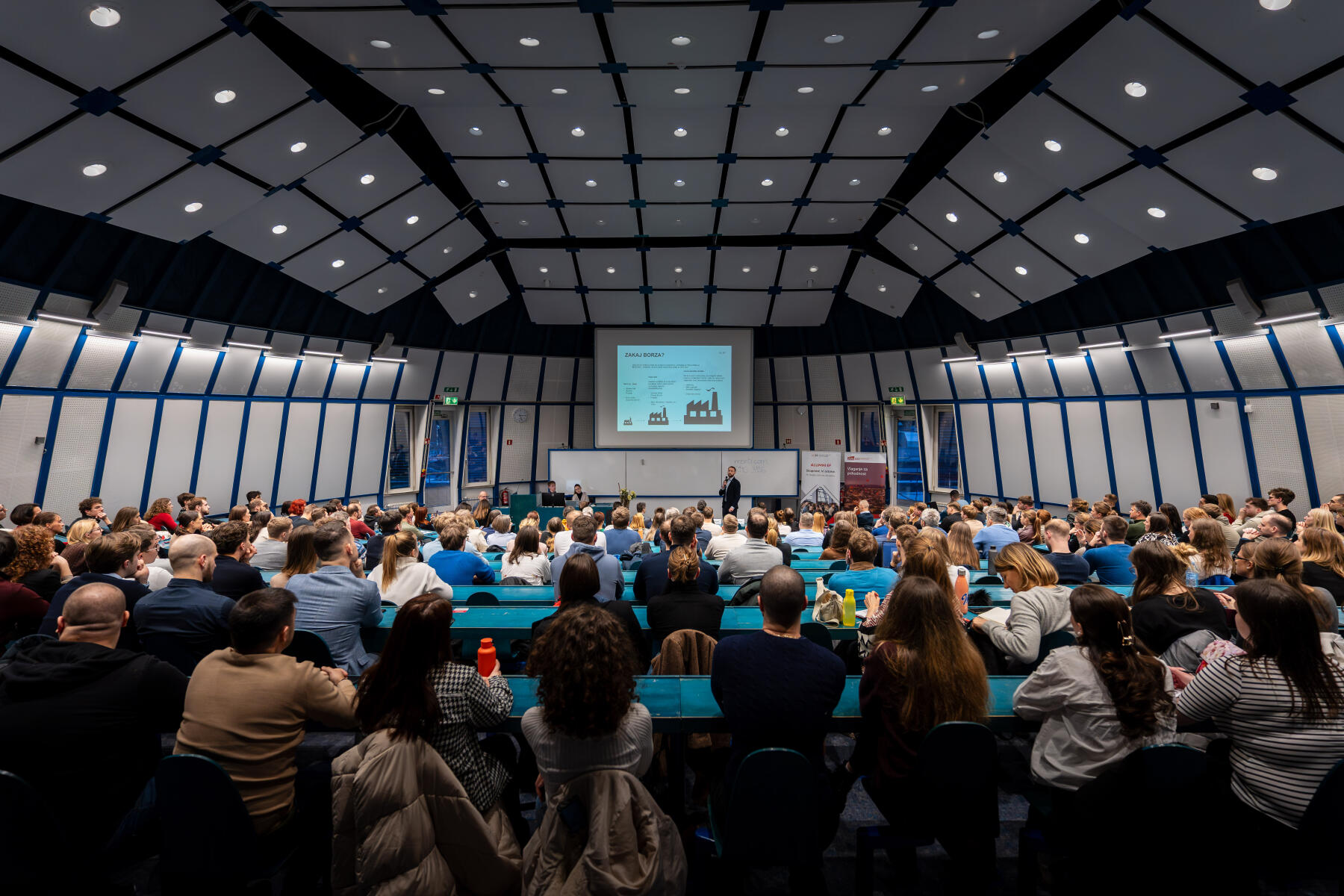
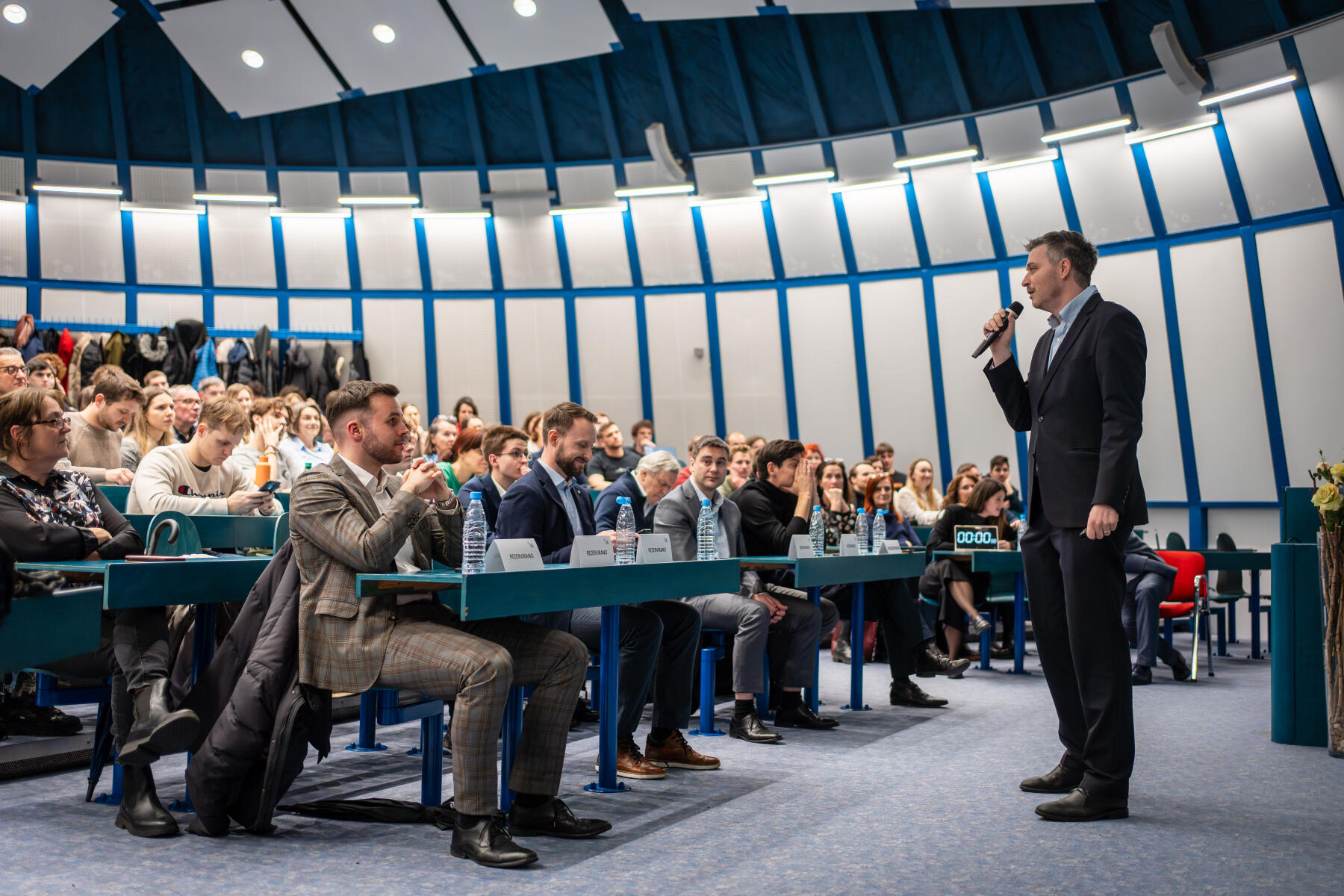
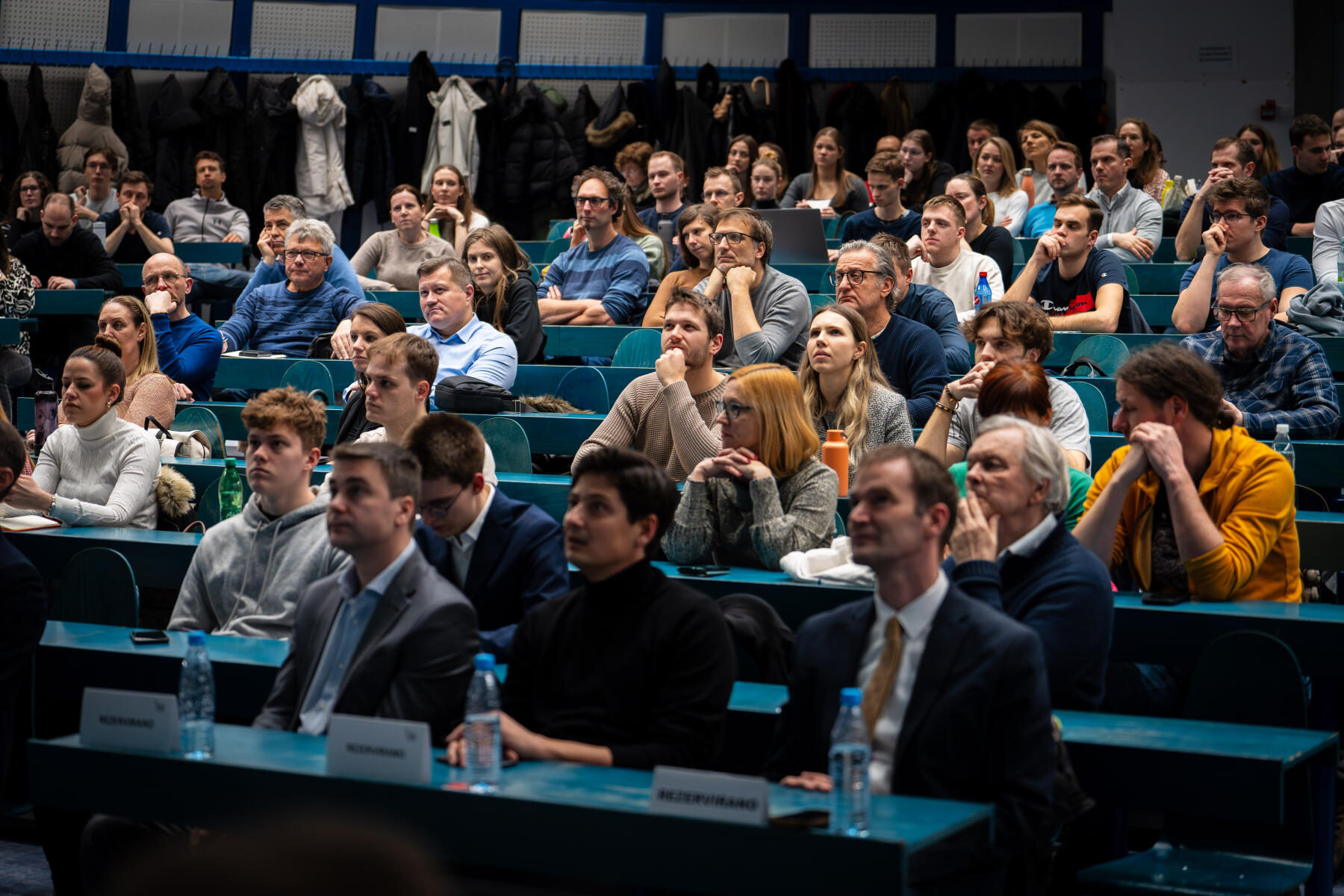
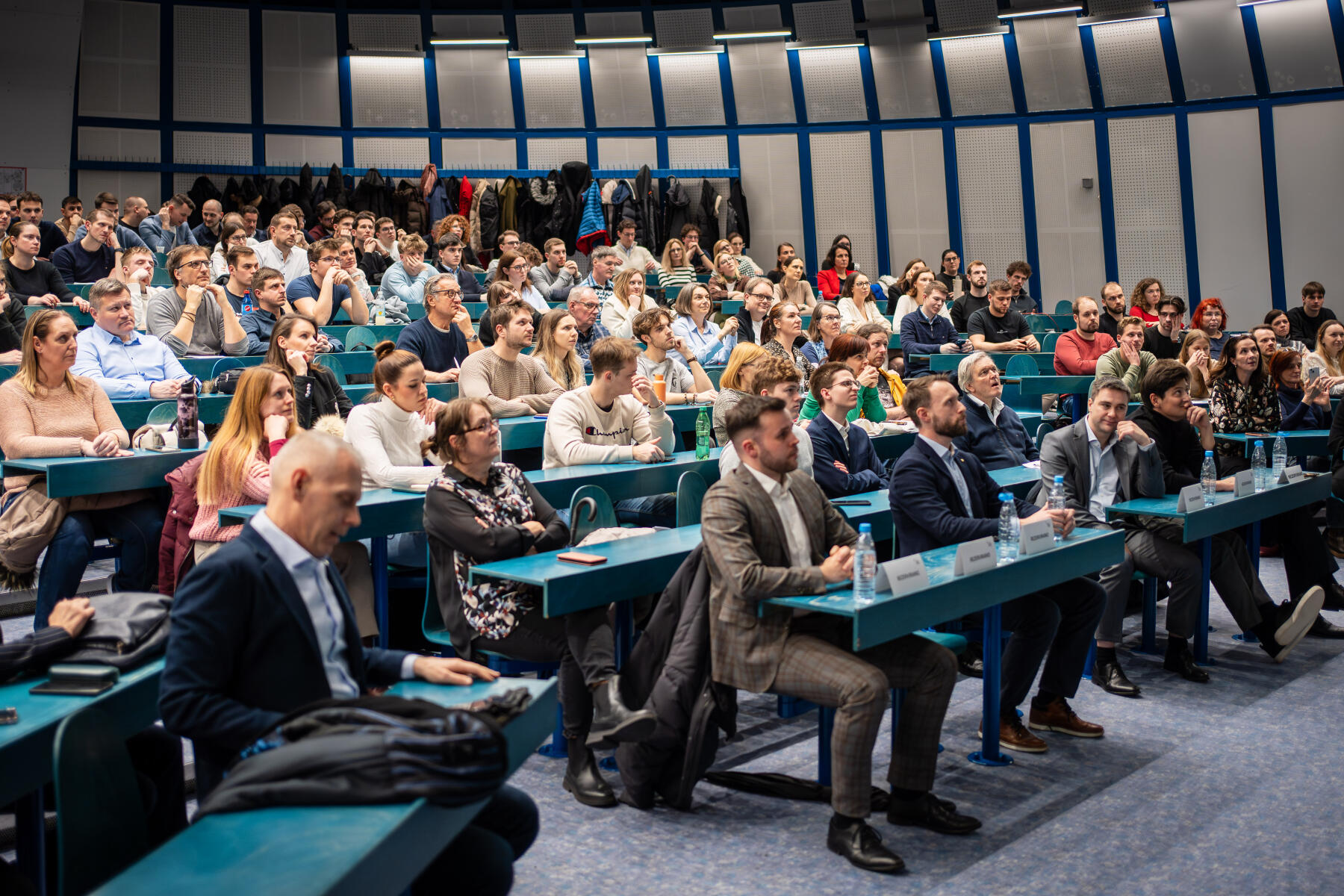
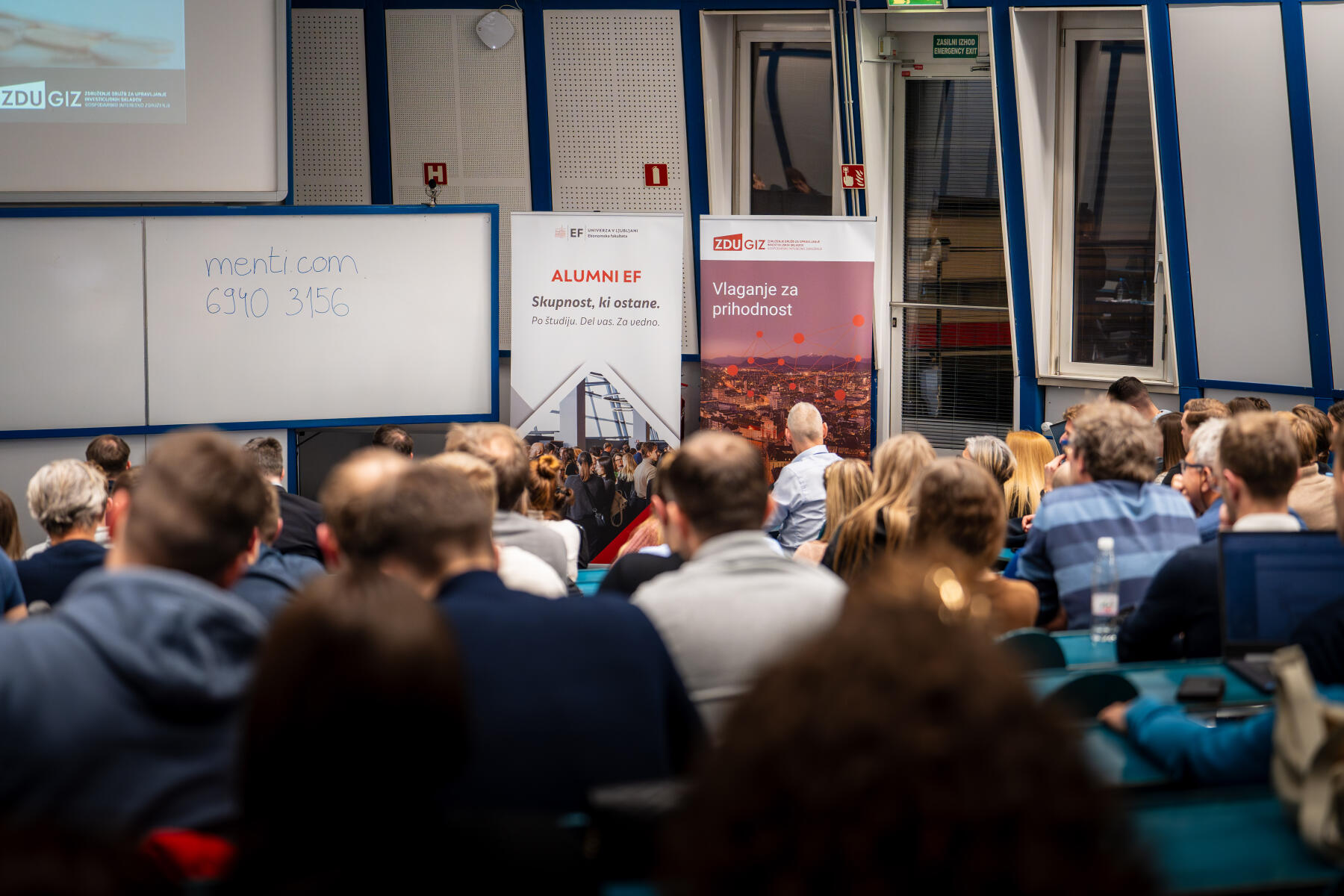
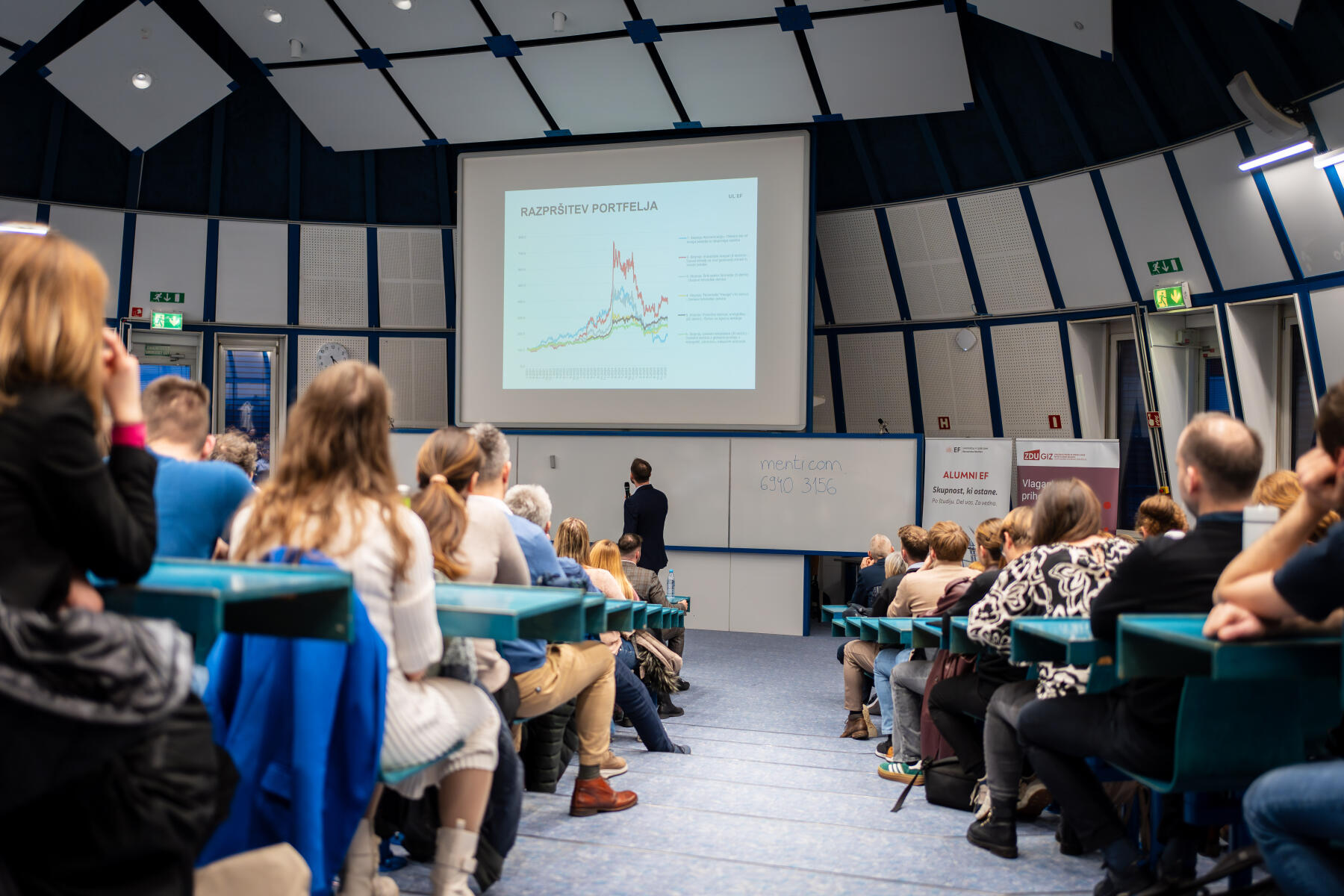
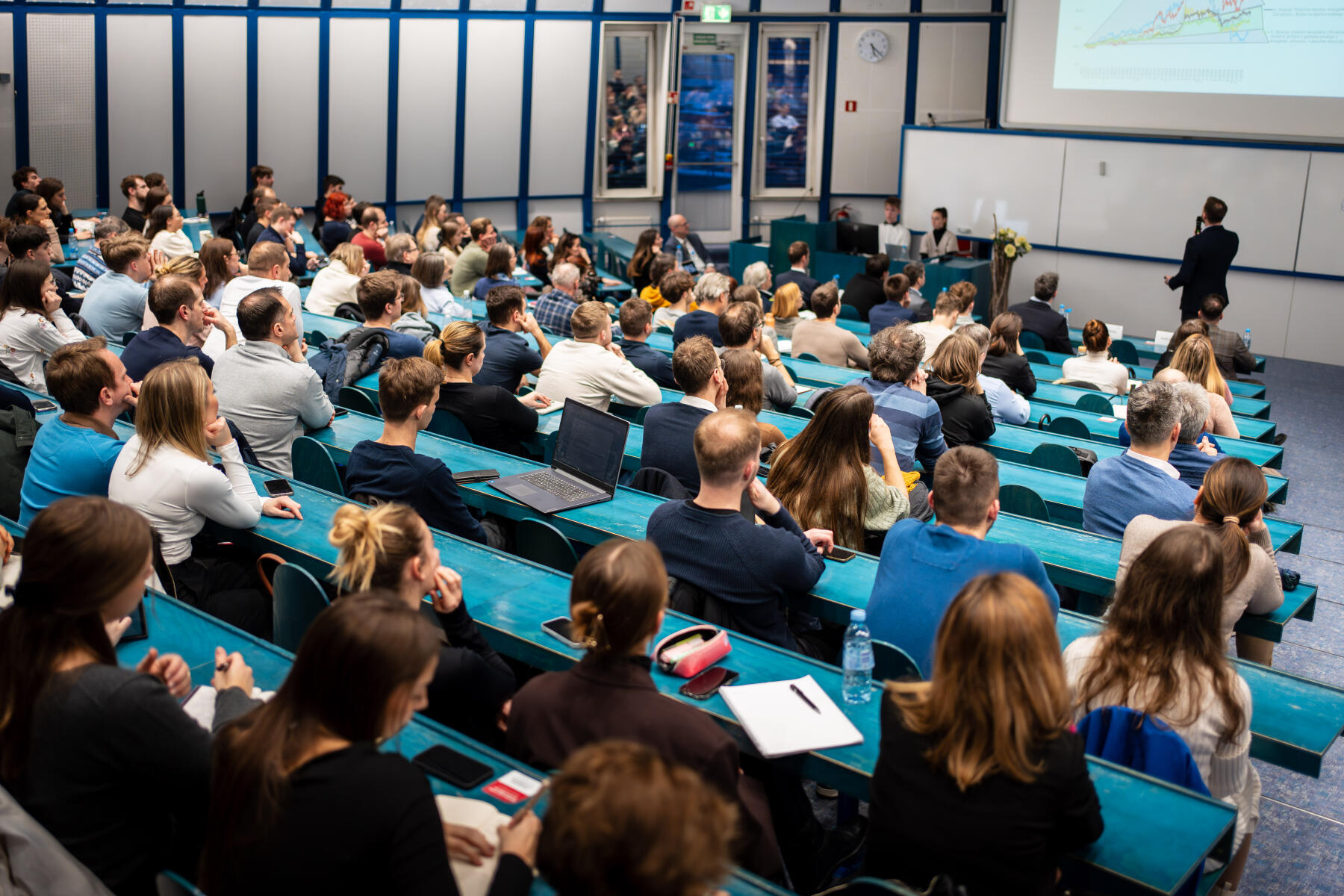
On Thursday, 5 February 2026, the Alumni EF event From Saver to Investor took place, encouraging reflection on the financial habits of Slovenians and the transition from traditional saving to thoughtful long-term investing. The event attracted a large audience, confirming that questions of personal finance, savings security, and long-term financial stability are particularly relevant in times of economic uncertainty.
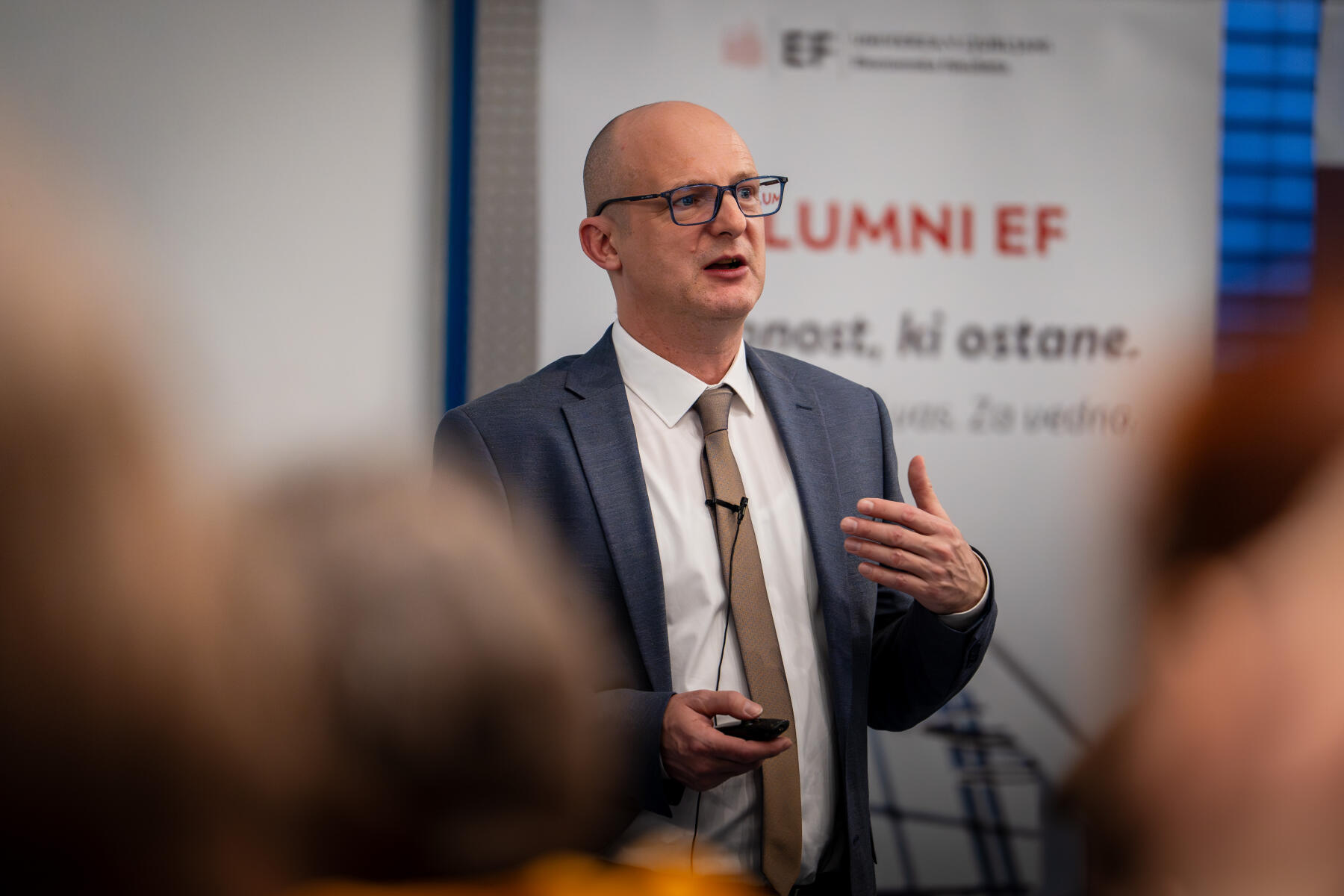
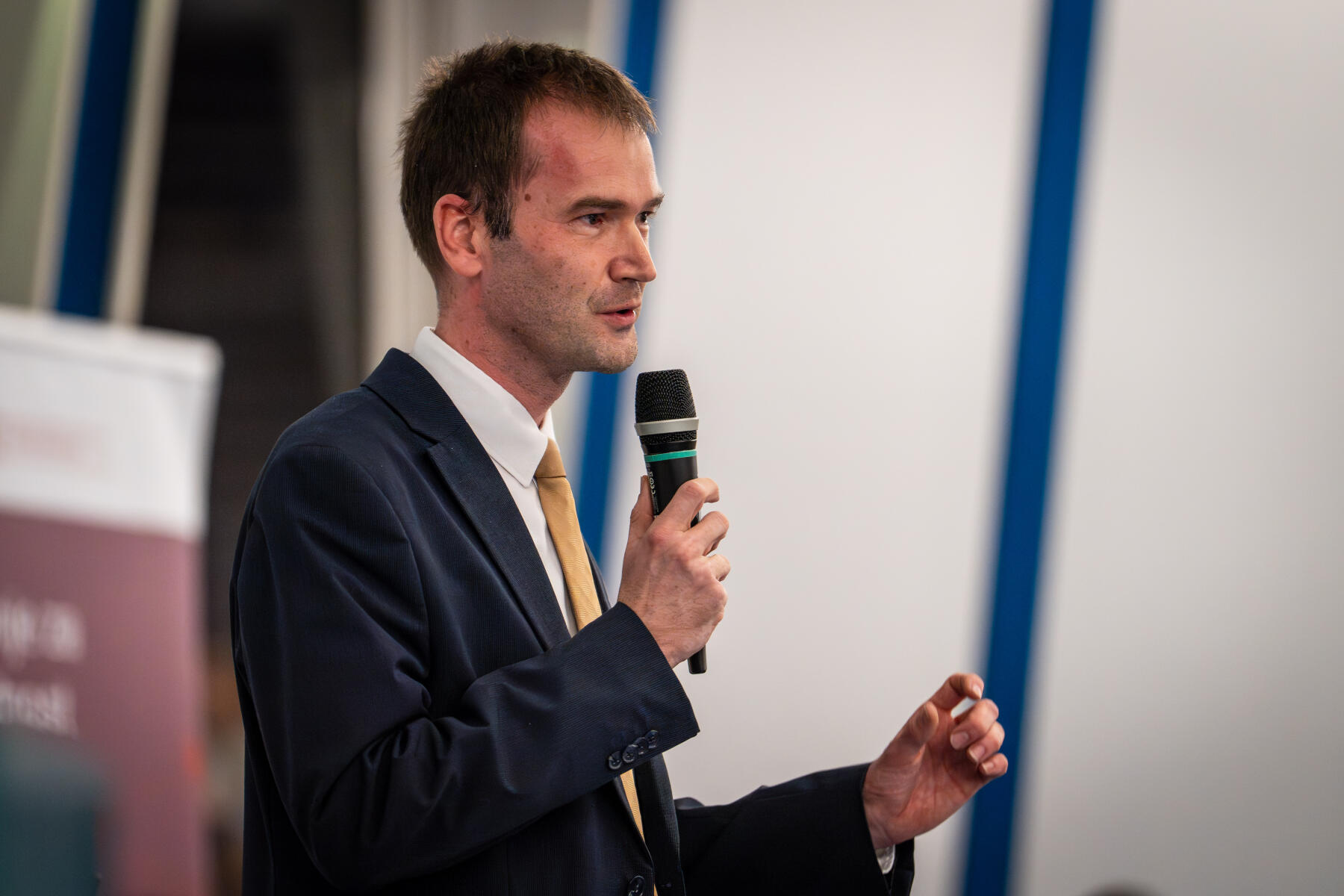
The event was moderated by Prof. Dr. Aljoša Valentinčič, who in his opening remarks outlined the typical characteristics of Slovenian savers. He pointed out that Slovenians still hold a significant portion of their wealth in cash and low-interest bank deposits, while long-term investments remain relatively limited. Although such a structure may provide a sense of security, it does not protect against inflation in the long run nor does it enable wealth growth. He emphasized the importance of financial literacy, diversification, and timely consideration of supplementary pension savings.
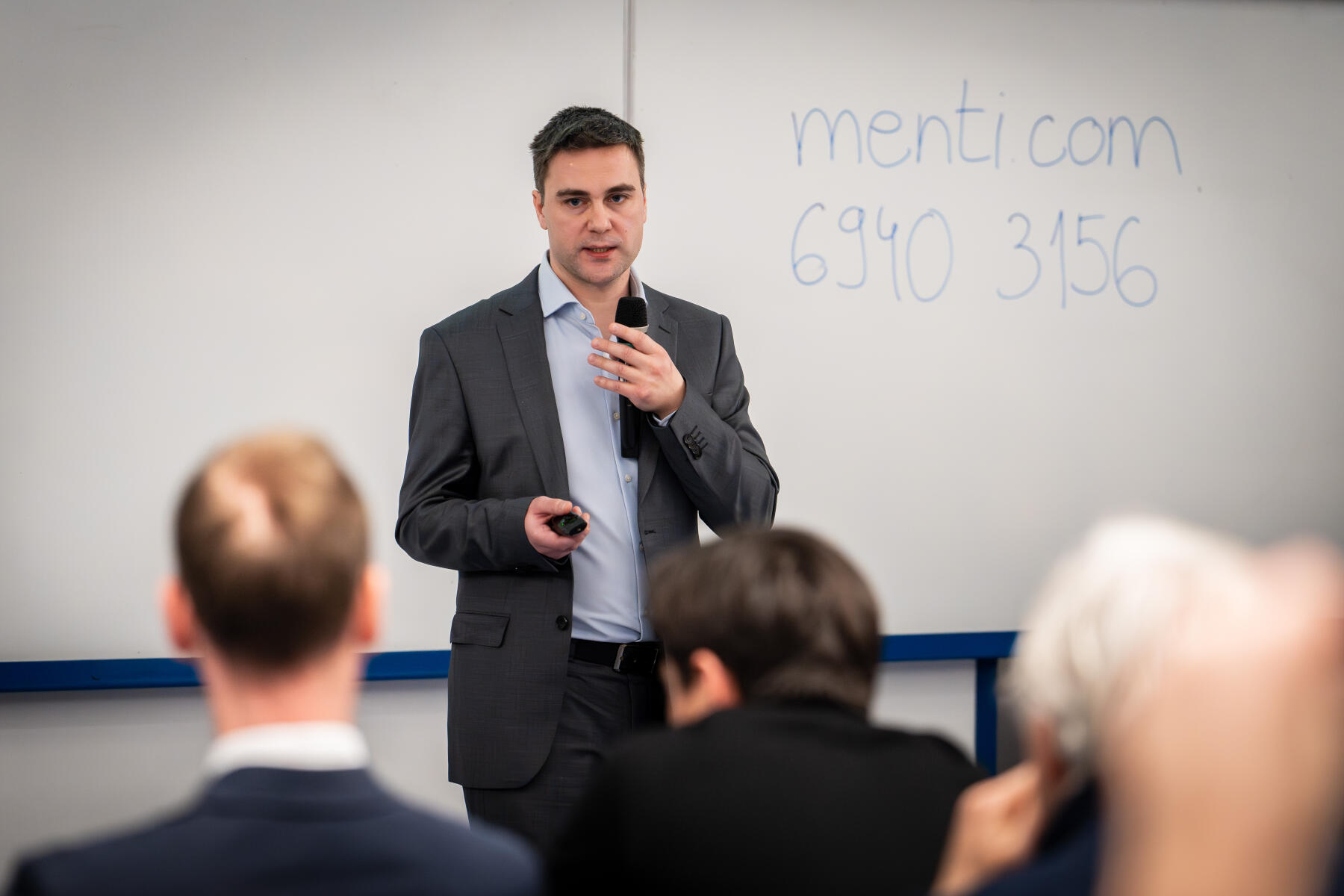
Matej Šimnic then presented equities as a key asset class for long-term wealth accumulation. He stressed that a stock’s price alone reveals little about its true value; what matters is understanding the relationship between price, earnings, and company quality. He placed particular emphasis on portfolio diversification and long-term investing, noting that capital market history shows only a small number of companies achieve above-average long-term growth, while attempts to time market cycles are often risky.
The topic of collective investments and asset management was addressed by Jure Štimac, who described mutual funds as an effective way to diversify risk, accessible even to investors with smaller amounts of capital. He highlighted the importance of discipline, regular investing, and realistic return expectations, especially for investors who lack the time or expertise to manage investments independently. He cautioned that investors often overestimate their ability to predict future market movements, making long-term, systematic strategies generally more successful than short-term reactions to market fluctuations.
The bond segment was presented by Primož Cencelj, who described bonds as an important stabilizing component of a portfolio. He explained the impact of interest rates on bond prices and emphasized that, when combined with equities, bonds contribute to more predictable returns and lower portfolio volatility, particularly for investors with lower risk tolerance or shorter investment horizons.
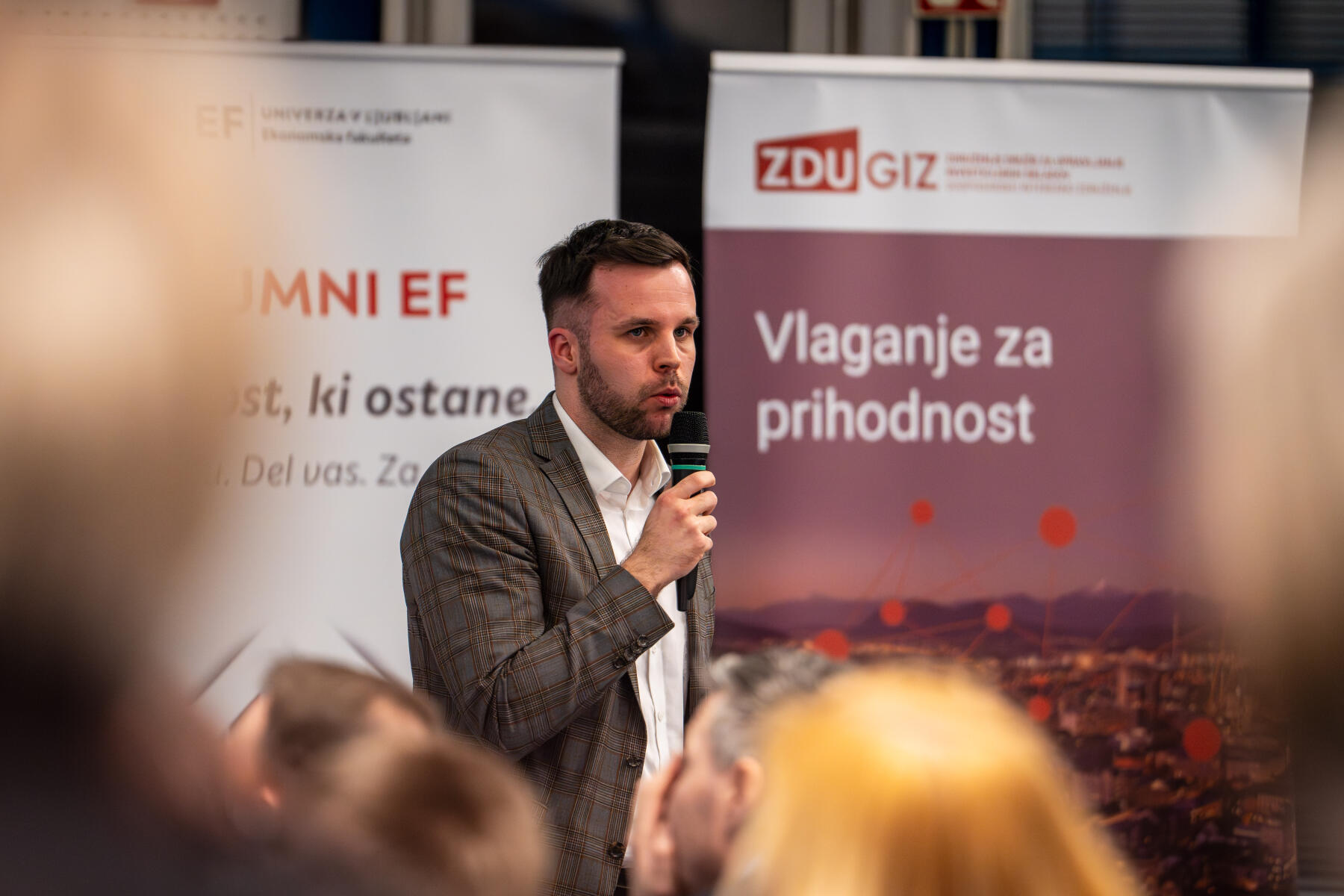
A significant part of the discussion was also dedicated to real estate as an asset class, presented by Sašo Šmigič. He highlighted commercial real estate as an effective element of a long-term, balanced investment strategy, as it provides stable rental income while offering inflation protection and potential capital appreciation. He outlined various ways to invest in real estate, from direct ownership to real estate funds, and stressed the importance of diversification and professional management.
Alternative investments, particularly precious metals, were presented by Peter Slapšak. He emphasized physical gold and silver as long-term protection against inflation, monetary risks, and loss of purchasing power. He also highlighted the industrial importance of silver and noted that precious metals are intended for long-term value preservation and portfolio diversification rather than short-term speculation.
The concluding part of the event focused on cryptocurrencies, which were presented in a broader financial and geopolitical context by Domen Kregar. He pointed out that cryptocurrencies have evolved in recent years from a marginal phenomenon into an institutionally recognized asset class. He emphasized the role of stablecoins as a bridge between the traditional financial system and blockchain technology, while also warning of new risks associated with business models based on the accumulation of cryptocurrencies.
The event offered participants a comprehensive overview of modern investment opportunities and conveyed a clear message: financial security is not the result of a single decision, but of a long-term process that requires knowledge, discipline, and an active role by each individual.
Author: Marko Čadež Mačkić