Alumni story: Matteo Mozetič
Alumni story: Matteo Mozetič
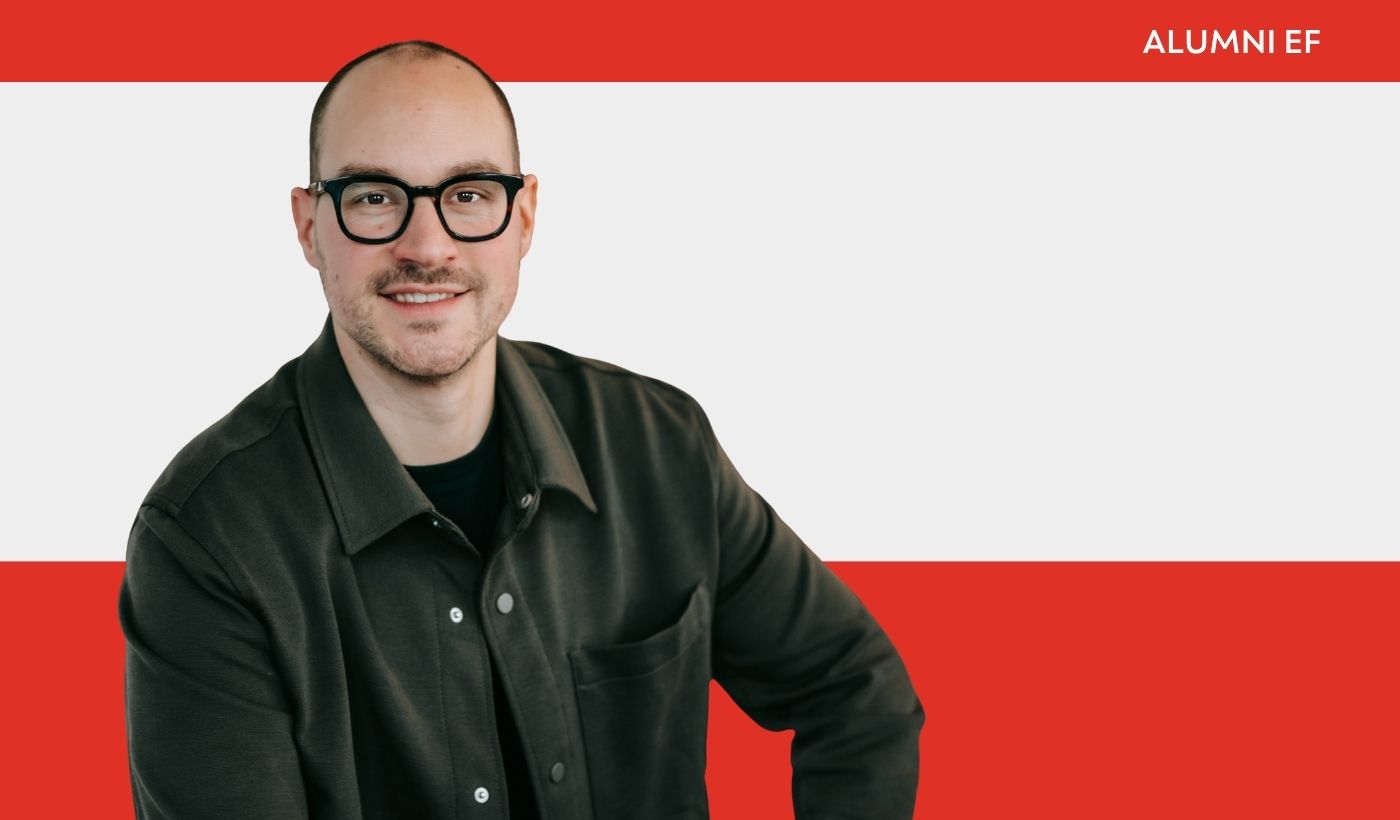
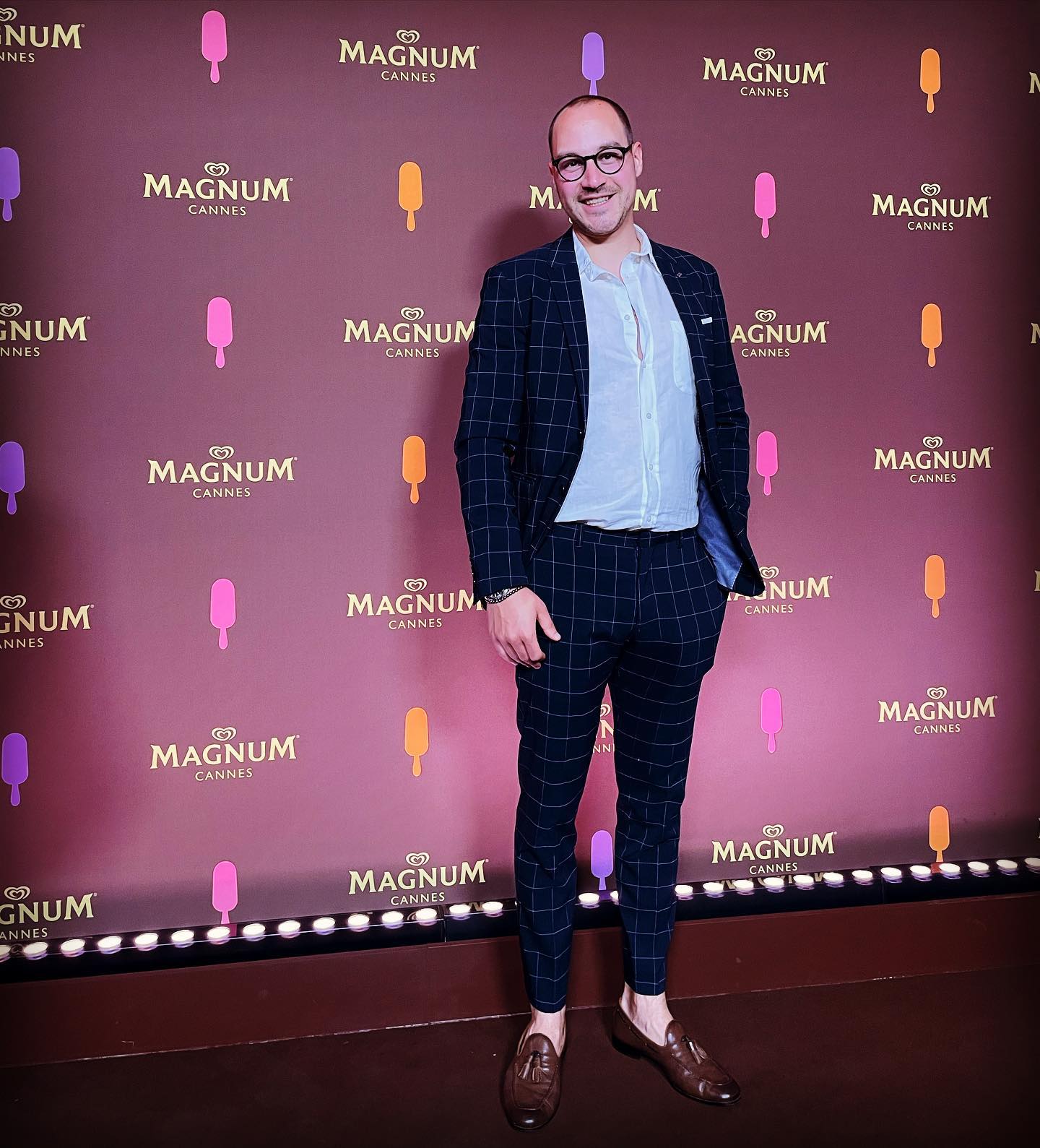
From an exchange semester in Budapest to developing and commercialising products for some of the world’s best-known brands, Matteo Mozetič has built his career by deliberately seeking out environments in which he could learn and grow. After completing his studies at the School of Economics and Business, University of Ljubljana, he joined Unilever as an intern and went on to spend nearly a decade working with global brands such as Magnum and Cornetto. Today, he works in innovation at Diageo, helping turn consumer insights and new ideas into products with real commercial potential. His journey is a story of curiosity, persistence and thoughtful risk-taking – but also of learning that professional ambition is most meaningful when it is balanced with a fulfilling life beyond work.
Be Ambitious, but in the Right Measure
When did you first realise that marketing could become your professional path?
I had always been drawn to the business world. Entrepreneurship interested me, and through the jobs I held while studying – including work in hospitality – I also realised that I was good at sales and enjoyed working with people. Choosing economics therefore felt natural, while my interest in marketing developed more gradually. Once I began exploring the field more deeply and reading about it independently, I became convinced that this was the direction I wanted to pursue.
Looking back, I find it interesting how differently I view some of the subjects I studied. Courses such as macroeconomics, microeconomics and finance were not necessarily my favourites at the time, but today I follow these areas with genuine interest. They are also highly relevant in brand management, which involves much more than communication. You need to manage projects, build business cases, understand financial implications and collaborate with many different functions.
My studies at the School of Economics and Business gave me a strong technical foundation. Later, through international study experiences, I was able to complement that knowledge with a more practical, case-based approach. The combination of the two proved extremely valuable.
How did your international experiences during your studies influence the direction of your career?
During my undergraduate studies, I went on exchange to Budapest, where I fell in love with international life. That experience made me realise that I wanted to build my career abroad. I therefore chose another international experience during my postgraduate studies and spent part of the programme at a business school in France.
Studying in France introduced me to a very practical way of learning. Companies brought real business challenges into the classroom, and students were expected to develop concrete solutions. The school also offered close contact with employers and made it easier to understand how to approach the international job market.
At the same time, I began researching where I could receive the best possible training in marketing. I realised that if I wanted to become a strong marketer, I needed to work for a company where marketing was not merely a supporting department, but one of the core functions driving the business. At the time, large fast-moving consumer goods companies were considered some of the best marketing schools in the world. That insight helped me focus my search on international companies offering strong brand management opportunities.
Your international career began with an internship at Unilever. How did you turn that first opportunity into a long-term career?
Finding the right first opportunity required considerable persistence. While I was in France, I spent several months applying for internships across Europe. I often devoted two or three hours every evening to applications, adapting my CV and motivation letter for each position. It was a demanding process, but eventually I was accepted into Unilever’s international internship programme in the Netherlands.
Competition was intense. Many of the interns already had several previous internships and substantial experience, so simply entering the programme did not guarantee a permanent position. I initially did not receive an offer in the Netherlands and was disappointed, but another team later contacted me about a role in London. I interviewed for the position, was selected and moved there to begin my career in brand management. After several years in London, I returned to the Netherlands.
I often say that a corporate career is a combination of ability, hard work and luck. You need to be good at what you do and prepared to put in the effort, but you also need to be in the right place at the right time. Opportunities rarely unfold exactly as planned. What matters is that you create enough possibilities for something to work out – and that you are ready when it does.
What did working with global brands teach you about brand management and successful marketing?
During my time at Unilever, I worked across different categories, from tea to ice cream. Each category requires a different approach. Ice cream, for example, is often an emotional and impulsive purchase associated with pleasure, reward and enjoyment. A more functional product needs a very different kind of communication, often centred on performance and clearly demonstrated benefits.
Brand management itself is an exceptionally broad discipline. Throughout my career, I worked on communications, product development, innovation, renovation and long-term growth strategies. A brand manager needs to understand the entire business and work across numerous functions, including consumer insights, research and development, finance, supply chain, sales and external agencies.
One of the most important lessons is that marketing cannot compensate for weaknesses elsewhere in the business. The four Ps still provide a very useful foundation. A product may be excellent, but it will not succeed if it is unavailable in stores, incorrectly priced or poorly communicated. Likewise, a strong campaign cannot save a product that does not deliver what consumers expect. Success depends on executing all these elements well and ensuring that they reinforce one another.
It is equally important to define success before launching anything. If you have not established clear objectives and indicators at the beginning, you cannot meaningfully evaluate the result afterwards. Whether the goal is sales, market penetration, reach, brand equity or another measure, clarity at the outset is essential.
One of the highlights of your time at Unilever was the award-winning Magnum campaign “Stick to the Original”. What made the project stand out?
The campaign began with a clearly defined business challenge. Magnum was facing increasing competition from retailers’ own brands, which offered similar products at significantly lower prices. Consumers were therefore asking whether paying two or three times more for Magnum was truly worthwhile. We needed to communicate why the original product justified its premium positioning.
Once the problem was clear, we developed a brief for the creative agency. The resulting campaign took Magnum in a bolder and less conventional direction than the brand had explored before. It was a risk, because convincing a large organisation to support an unfamiliar creative approach can be challenging. Many people are involved in the decision, and everyone brings their own perspective.
That process taught me the importance of expressing and defending your professional opinion. Confidence develops over time and through experience, but even when the final decision belongs to someone else, you have a responsibility to explain what you believe in and why. At the same time, you should not take a different decision personally.
The campaign ultimately received a Gold European Effie, which was a valuable external confirmation that the team had created something effective. The award was meaningful, but what mattered most was that the creative idea originated in a genuine business challenge and contributed to measurable results for the brand.
After almost a decade at Unilever, why did you decide to join Diageo?
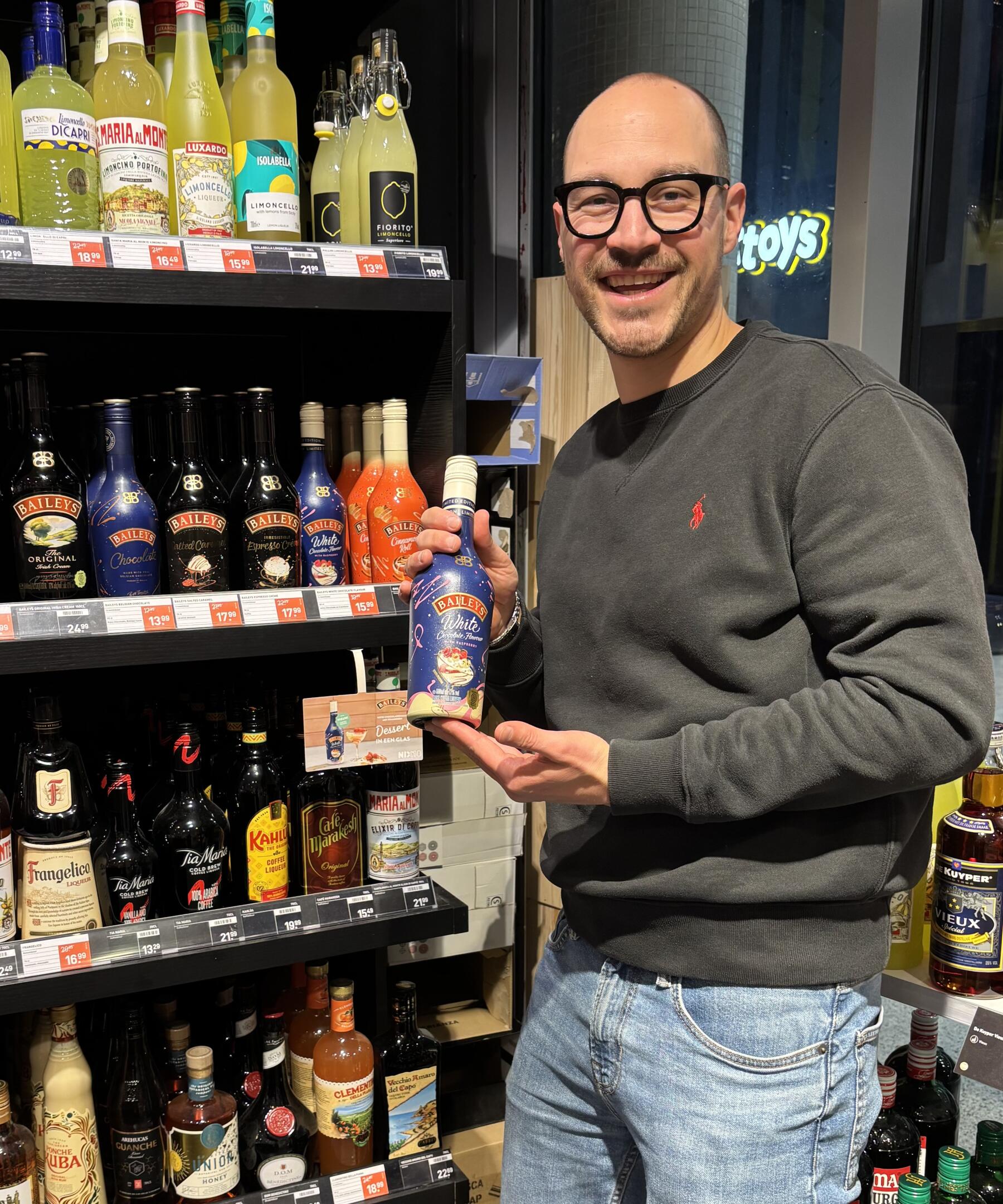
After spending such a long time in one organisation, I felt ready to experience a different company and industry. I had also always been personally interested in hospitality. I worked in bars and restaurants when I was younger and still enjoy cooking, food and the world surrounding it. Moving into the drinks industry therefore felt like a natural connection between my professional experience and a long-standing personal interest.
Diageo has many globally recognised brands, but its culture and way of working are different from Unilever’s. The organisation feels younger and more entrepreneurial, with fewer rigidly defined processes and more freedom to shape your role. That freedom also brings greater personal responsibility, but it was precisely the kind of new challenge I was looking for.
How do you distinguish between innovation and renovation, and what does it take to bring a new product to market?
In our work, we distinguish between innovation and renovation. Renovation means updating an existing product – refreshing its packaging, modernising its identity or adjusting it to remain relevant to a new generation. Innovation involves bringing something new to the market, whether that is a new flavour, format, blend or product proposition.
A strong innovation process can take several years. You need to understand the opportunity, develop and test the concept, create the product, define its positioning and prepare the commercial launch. Some projects can be delivered more quickly, particularly when an existing idea from another market can be adapted locally. Truly new ideas, however, require time.
An equally important skill is knowing when to stop. Companies sometimes continue investing in a project simply because they have already spent considerable time and money on it. A healthy innovation culture requires the courage to acknowledge that an idea is no longer relevant and discontinue it before even more resources are committed.
How are changing consumer habits and the growing emphasis on responsible drinking shaping the drinks industry?
The industry is responding to several significant changes in consumer behaviour. Younger generations tend to drink less and are more conscious of what they consume. Categories such as alcohol-free alternatives, ready-to-drink products and lighter formats are therefore becoming increasingly important. For a large company, remaining relevant means continuously observing which categories are growing, which are declining and where new consumer needs are emerging.
Responsible communication is an essential part of this work. The drinks industry is highly regulated, and we follow strict internal standards regarding how products may be promoted. Communication must never encourage excessive consumption or cross the boundaries of responsible marketing. I believe these limitations are appropriate. Large companies should lead with responsibility and help consumers make informed choices.
What guides you outside your professional ambitions, and how do you define success today?
I strongly believe in lifelong learning. I try to remain informed about changes in marketing, business and technology, even when finding time to learn is more difficult than it was during my studies. Curiosity is important because industries, tools and expectations are constantly evolving.
At the same time, work is not everything. Corporate life can be intense, particularly if you are ambitious and want to progress. Over time, I have become more aware of the importance of finding a balance that suits me personally. Sport plays a major role in that. I run, play tennis and practise boxing, and I need physical activity to feel well and clear my mind. I also enjoy cooking and spending time at home with my partner. This has also shaped how I define success. I am proud of what I have achieved and remain ambitious, but I want to enjoy the life I am building. Success is not only about progressing professionally. It is about being satisfied with what you do, continuing to grow and finding the right balance between ambition, relationships, health and personal fulfilment.