Alumni story: Tamara Štumperger
Alumni story: Tamara Štumperger
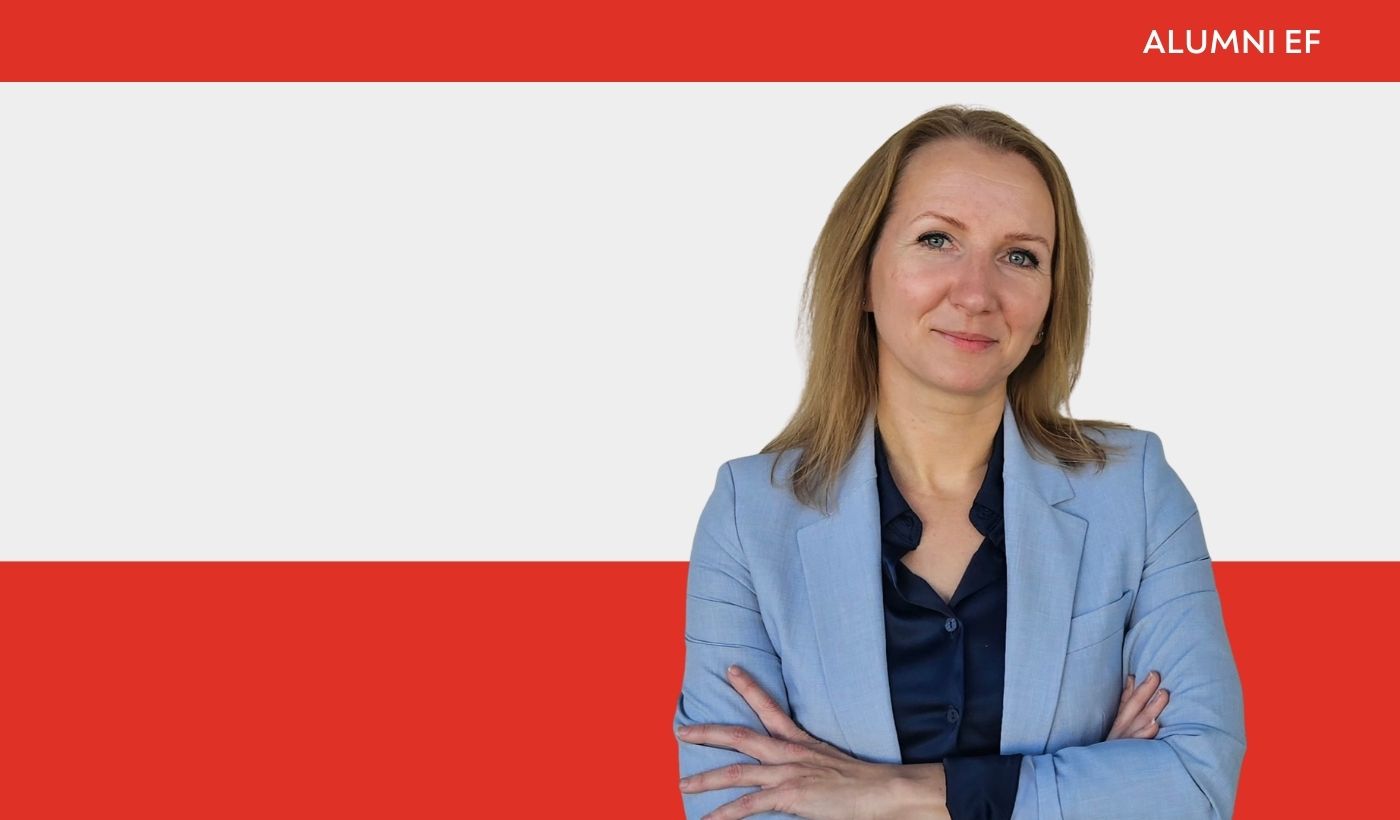
When she left her hometown of Ptuj at the age of fourteen to live independently in Ljubljana, she could not have known how profoundly that early step would shape her life. Today, Tamara Štumperger is an electrical engineer, a part-time master’s student in the Business and Organization program at the School of Economics and Business, University of Ljubljana, and has been with Danfoss for thirteen years. She works in supplier quality within the automotive industry.
Her path has been anything but linear – from an early ambition to work with animals to leading complex quality systems. By combining technical expertise, business insight and the discipline of sport, she connects processes, people and ideas. She believes in responsibility, curiosity and in the idea that the right things happen at the right time.
Trust as the Foundation of Quality
At fourteen, you moved away from home and started living independently in Ljubljana. What did that period teach you?
I grew up very quickly. When you are fourteen and living alone in a big city, without your parents’ daily presence, you learn to take responsibility for yourself. A student residence provides structure, but the everyday decisions are yours: how you manage your time, who you surround yourself with, how resourceful you are.
That period taught me independence, accountability and adaptability. I realized early on that the world is big and diverse, and that you have to learn how to navigate it. It gave me an inner resilience that still supports me today, both personally and professionally.
You are trained as an electrical engineer. How did you decide on that path?
My original ambition was to become a veterinarian. However, during high school I realized that it was not a path I wanted to pursue long term. When applying to university, I did not have sufficient admission points for economics, so I somewhat unexpectedly enrolled at the Faculty of Electrical Engineering.
At first, it felt like a compromise, but it proved to be the right decision. Electrical engineering trained me to think logically, work systematically and approach problems with an engineering mindset. Although women were in the minority, professors treated all students equally. What mattered was knowledge and commitment. The high expectations shaped me and gave me the confidence to take on demanding challenges.
You have been with the same company for thirteen years. What do you see as the advantage of such a career path?
Staying with one company has allowed me to develop deep system knowledge. Over the years, I have held several roles, from quality assistant to being responsible for supplier quality systems at the segment level. I have come to understand production, processes, people and organizational culture from within.
If you change environments frequently, you gain breadth. If you stay, you gain depth. I value the fact that I can now contribute to improvements based on experience from previous cycles. I understand the company’s challenges and its potential. That enables me to contribute more strategically.
You later decided to study Business and Organization at the School of Economics and Business. Why?
As I began collaborating more closely with suppliers and business partners, I realized that I lacked a broader understanding of the business environment. I had strong technical knowledge, but I did not always feel confident in discussions about markets, finance or strategy.
The program at the School of Economics and Business gave me that broader perspective. It covers the full spectrum of how companies operate, from marketing and finance to organization and leadership. This knowledge allows me to better understand the context in which I work and to engage more confidently in business relationships. Engineering provides structure; economics provides perspective.
How do you combine engineering and business knowledge in your work?
Supplier quality requires a precise understanding of technical requirements, standards and processes. That is my engineering foundation. At the same time, you must understand business relationships, negotiations, costs, risks and the long-term impact of decisions.
Quality standards define the requirements, and we translate them into concrete processes and tools. When selecting suppliers, we do not evaluate only price or product quality. We assess the overall partnership, development potential and reliability. It is a constant search for balance. The combination of technical expertise and business breadth allows me to see both sides and integrate them into a coherent whole.
What is one aspect of quality management or supplier collaboration that people often underestimate, but is in fact crucial?
Many people associate quality primarily with inspection and error detection. In reality, the essence of quality is prevention. The greatest value of our work lies in preventing issues before they occur.
With suppliers, this means setting clear expectations, defining requirements precisely and establishing open communication from the very beginning of the collaboration. If processes are not clearly documented and understood, problems will eventually arise, often when it is too late and the consequences are costly.
Another underestimated factor is relationships. Standards define requirements and processes create structure, but collaboration between people makes the difference in critical moments. When non-conformities occur, we are not solving only technical problems; we are building trust. And it is trust that enables long-term quality.
Quality is not bureaucracy. It is the systematic building of stability, accountability and partnership.
You recently stepped into a leadership role within your department and were also appointed President of your company’s sports association. What guides your leadership approach?
I believe in autonomy and responsibility. I want to provide people with a clear goal and the necessary support, not dictate every step. When I was younger, I valued having space to grow, and I want to offer that same opportunity to others.
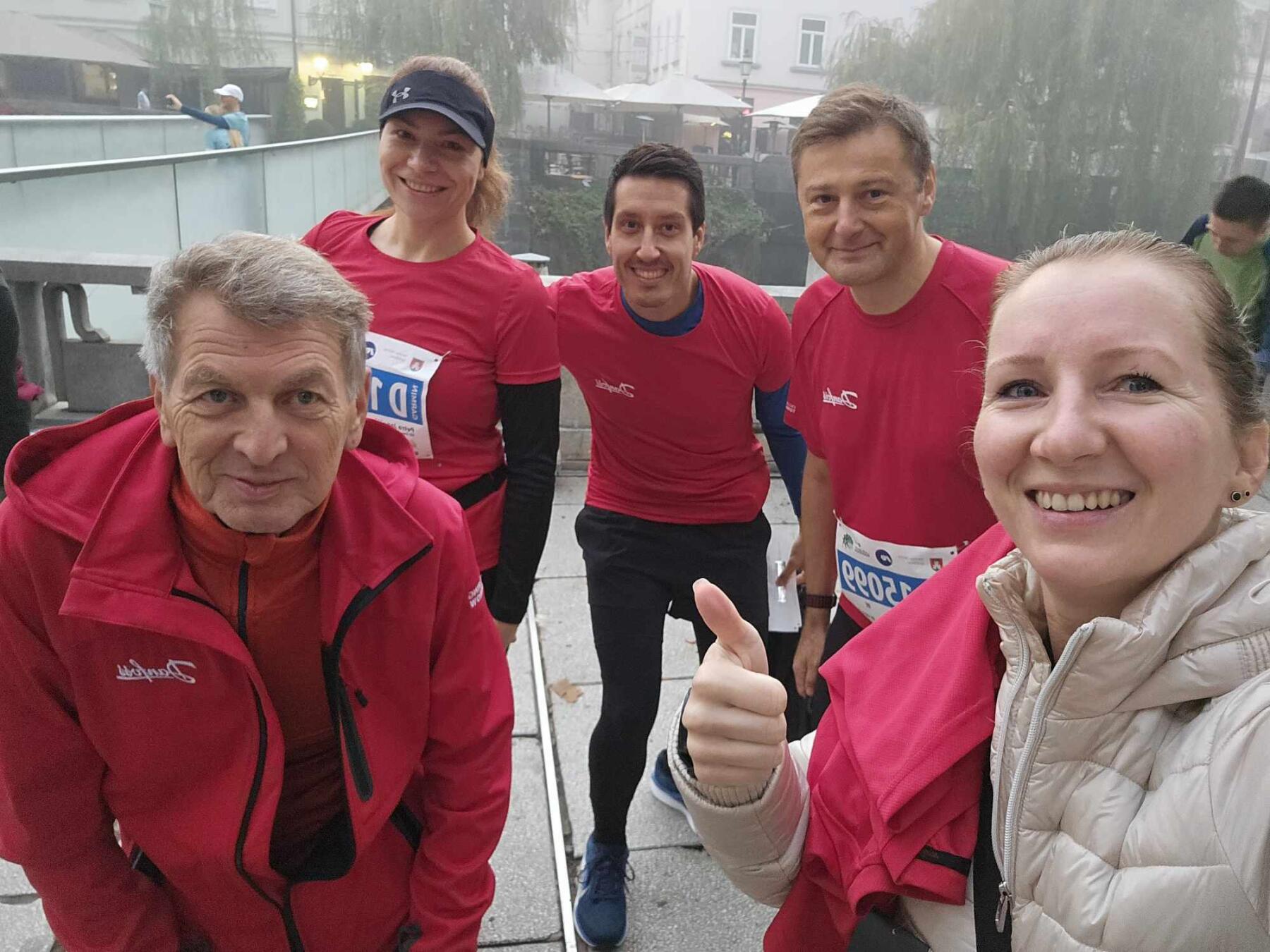
My role in quality has taught me structure, while sport gives me energy and balance. Leading the sports association is an opportunity to foster well-being and connection among employees. Satisfied and healthy people achieve better results. It is an investment that pays off.
Martial arts and sport play an important role in your life. How do they influence you?
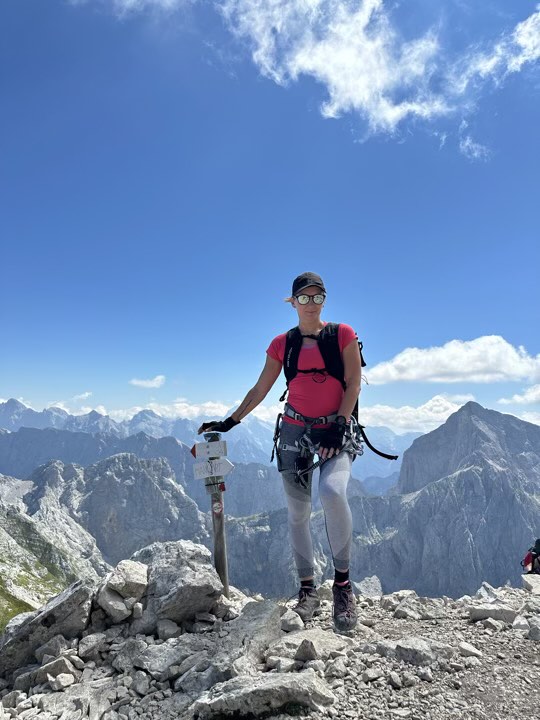
Martial arts have taught me situational awareness, discipline and presence. When you train, you must stay focused, observe carefully, understand the broader context and respond thoughtfully. These are skills I use daily in my professional life.
Sport gives me flow and balance. Since I spend much of my day at a computer, movement is essential. At the same time, sport teaches me to channel energy consciously and release it in a healthy way.
If you had one extra hour in your day, how would you use it?
I would not dedicate it to another activity or project. I would dedicate it to silence. To intentionally create a space where I can simply be alone with my thoughts — reading a book, lighting a candle and slowing down.
I create a lot, work a lot and move a lot. That is precisely why I know that stillness is what we often neglect the most. Learning to sit in silence without the constant need for productivity is my next step in personal growth. I believe that from such moments come the clearest ideas and the most sincere decisions.