Alumni story: Ula Kanduč
Alumni story: Ula Kanduč
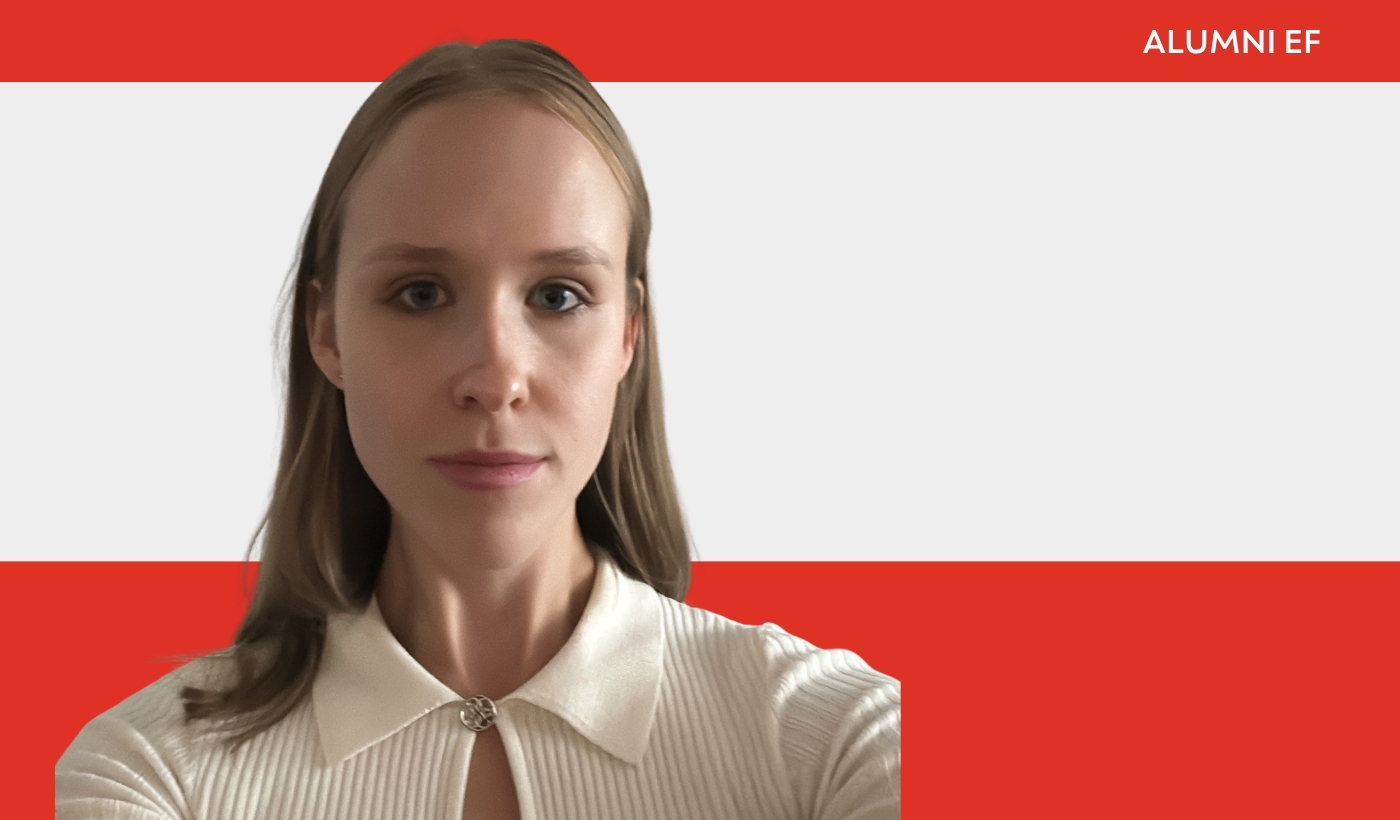
Having completed her master's degree at the School of Economics and Business, University of Ljubljana, Ula Kanduč is already preparing for the next chapter of her academic journey: a PhD in Beijing. A passionate trail runner, aspiring researcher, and founder behind a patented medical innovation, she has built her path by questioning assumptions and embracing challenges that others might avoid. From studying in Japan and learning Chinese to developing a healthcare solution inspired by her own marathon experience, Ula believes that growth begins where comfort ends. For her, the goal has never been to choose the harder path, but the more interesting one.
Choosing the More Interesting Path
During your master’s studies, you came across a piece of research that changed the way you viewed academia and innovation. What was it about that experience that resonated with you so strongly?
During my master’s studies, I worked on a thesis project in collaboration with Hisense under the mentorship of Professor Barbara Čater. What fascinated me most was discovering a Chinese research paper that challenged assumptions I had previously taken for granted. It quantified something that much of the European literature tended to view as difficult or even impossible to measure.
That experience showed me that innovation often begins with asking different questions rather than searching for better answers. It made me realise that the boundaries of what we consider possible are often much wider than we think. Looking back, it was one of the moments that fundamentally changed how I approach research, innovation, and problem-solving.
By the time you completed your master’s degree, you were already the holder of a patent for a medical device. How did the journey behind ANDRA begin?
The idea came during my first marathon. Like many runners, I relied on energy gels throughout the race, but at one point I could no longer remember how many I had taken. In the middle of the race, I realised how difficult it was to keep track of something so important while focusing on performance and endurance.
That moment stayed with me because it highlighted a challenge that extends far beyond running. I began noticing similar situations in everyday life. My grandmother, who lives with dementia, has to remember when to take which medications. My mother, who suffers from migraines, often finds herself calculating when she can safely take the next pill. Friends with diabetes carefully track the amount of sugar in their glucose tablets. Although the circumstances differ, the underlying problem is the same: people need a simple and reliable way to manage what they consume and when they consume it.
That was the beginning of ANDRA, a smart medication and nutrition delivery concept designed to simplify dosing, improve safety, and provide accurate tracking.
How do you see the future use of ANDRA, and who could benefit most from it?
Andra was initially inspired by a challenge I encountered as a runner, but its potential applications extend far beyond sports. It is a smart system designed to help users manage medication and nutritional intake more safely and accurately. Unlike traditional pill-based solutions, ANDRA focuses on liquid formulations, enabling controlled and personalised delivery of medications, supplements, or sports nutrition.
I see its greatest potential in healthcare, particularly for patients who take multiple medications, older adults, children, and anyone who requires precise dosing. By tracking intake in real time, the system could help reduce medication errors, improve adherence to treatment plans, and provide healthcare professionals with more reliable information. At the same time, it could support remote monitoring, clinical research, and more efficient medication management, ultimately contributing to better patient outcomes and reduced pharmaceutical waste.
At the same time, there are exciting opportunities in sports performance, veterinary medicine, and even specialised environments such as space exploration, where traditional medication delivery can be challenging. My vision is to create a solution that simplifies something people deal with every day and makes it safer and easier for everyone.
Many people have ideas, but very few take the step of turning them into a patent. What gave you the confidence to pursue it?
To be honest, it was partly impatience. I knew enough about intellectual property to understand that timing matters. If you wait too long, someone else may develop something similar and file first.
Submitting the patent application was the moment when the idea stopped being just an idea. It became something real, something worth protecting. That changed my mindset completely. I was no longer thinking about it as a side project but about a potential innovation with real-world impact.
The process also taught me the importance of understanding intellectual property, entrepreneurship, and collaboration. Along the way, I received valuable support from mentors, innovation programmes, and international partners who encouraged me to continue developing the concept.
From studying in Japan to learning Chinese and preparing for a PhD in Beijing, China, you seem drawn to experiences far outside your comfort zone. What have these experiences taught you about the value of looking beyond your own cultural perspective?
My exchange in Japan was one of the most valuable experiences of my studies. It exposed me to different ways of thinking, different approaches to business, and a culture that places great importance on discipline, precision, and continuous improvement.
More recently, I started learning Chinese at the Confucius Institute at the SEB, and discovered how much I enjoy exploring a completely different linguistic and cultural environment. The more I learned, the more I realised that many of the assumptions we hold are shaped by our own perspective. Looking beyond that perspective allows you to discover new opportunities, new questions, and new ways of solving problems.
That curiosity also led me to pursue a PhD in Beijing, where I hope to deepen my understanding of innovation and medical technology in a rapidly developing environment.
You are currently preparing for a 50-kilometre ultramarathon. What have long hours on the trail taught you about resilience and motivation?
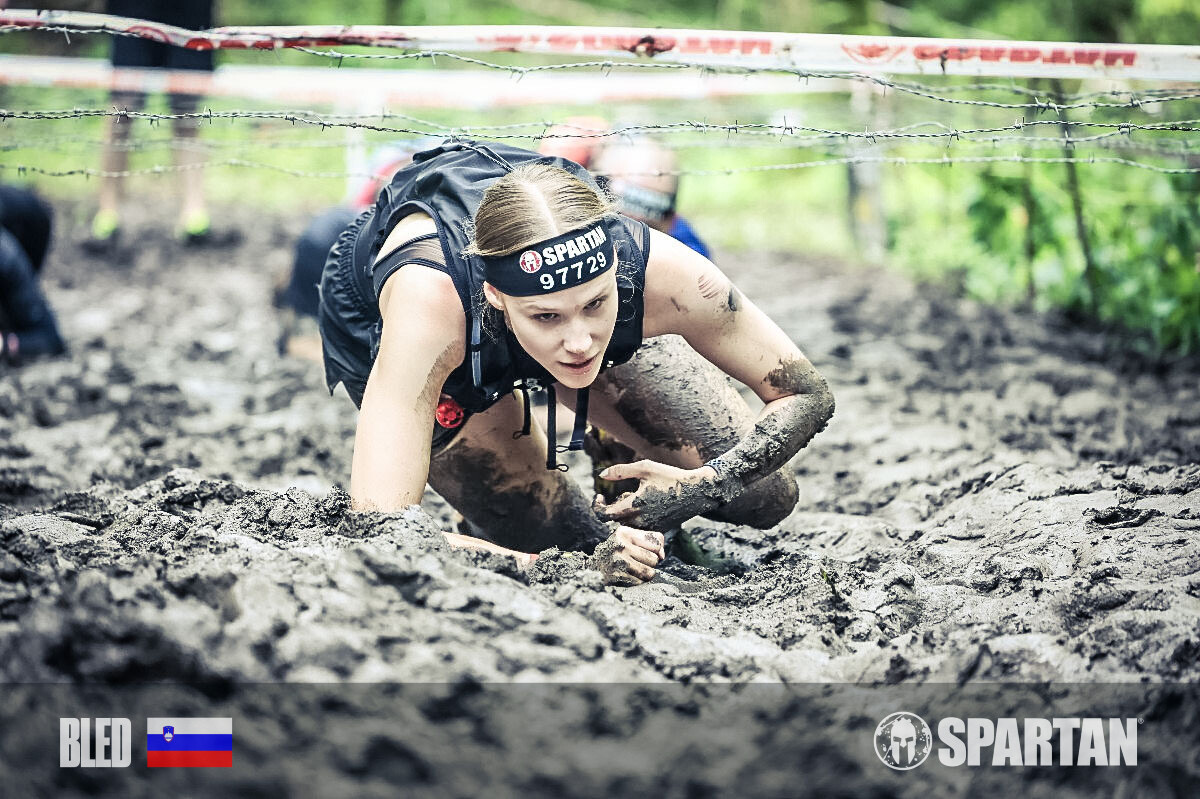
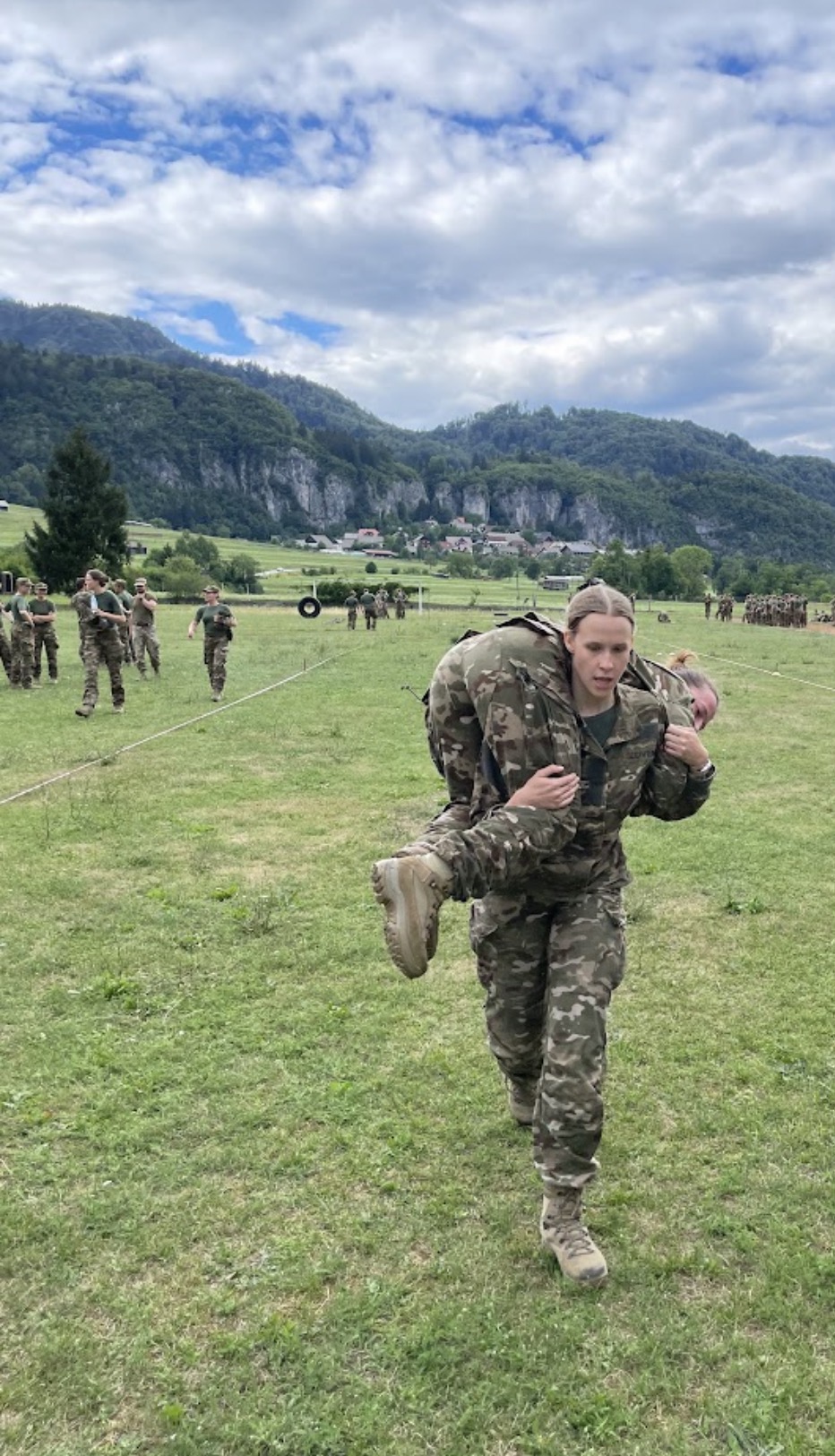
Ultrarunning is often described as a physical challenge, but for me it is primarily a mental one. When you spend hours alone on a trail, there is no distraction. Only you and your thoughts.
What I love about trail running is that it constantly reminds you that you are capable of more than you think. Most people place limits on themselves long before they reach their actual limits. Running has taught me patience, resilience, and the importance of staying calm when things become difficult.
It is also where many of my best ideas emerge. The concept for Andra was born during a marathon, and I suspect many future ideas will arrive in a similar way.
You often seem to gravitate towards difficult challenges. What motivates you to keep choosing the harder path?
I actually do not think of it as choosing the harder path. I think of it as choosing the more interesting one.
Whether it is studying abroad, learning a new language, developing a patent, or preparing for an ultramarathon, I am motivated by curiosity. I enjoy discovering what is possible when you step beyond what feels comfortable or familiar.
One quote that has stayed with me comes from China: “You can cry, but you cannot lose.” To me, it captures the idea that challenges are unavoidable, but giving up is always a choice. If something matters to you, it is worth trying, even when the outcome is uncertain.
Because on the other side of difficult things, there is often growth, learning, and opportunity.